As a spiral wound membrane supplier, I get asked this question all the time: “What are the regulations for using spiral wound membranes in pharmaceutical applications?” It’s not just a box-ticking exercise—these rules exist to make sure the water (or other process fluids) going into drug manufacturing is pure, consistent, and safe. Let me break down what I’ve learned over 12 years in this industry, working with pharma teams from small biotechs to global generics manufacturers. Spiral Wound Membrane
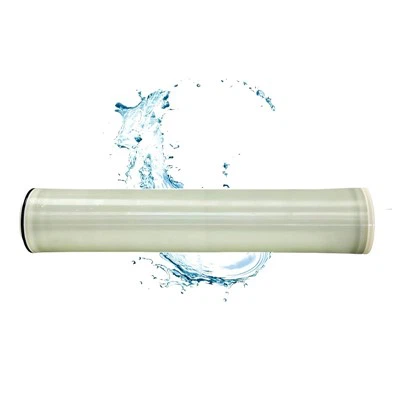
First, let’s set the stage: pharma membrane use isn’t like treating tap water for a factory break room. Every step ties back to the final drug product, which needs to meet strict standards for purity and safety. The key regulations here start with the major bodies that govern pharma manufacturing, because membranes are a critical part of that process.
The big one in the U.S. is the Food and Drug Administration (FDA). Their main guideline for pharma water systems is the Process Validation Guidance for Industry: General Principles and Practices (2011), but they also have specific references to membrane systems in the Water for Injection (WFI) and Purified Water (PW) guidelines. Wait, let’s clarify: spiral wound membranes are most often used for reverse osmosis (RO), nanofiltration (NF), or ultrafiltration (UF) in producing PW and WFI. The FDA doesn’t write a separate rule just for spiral wound membranes, but they do require that every component of the water system—including membranes—be qualified, validated, and monitored.
Then there’s the European side: the European Medicines Agency (EMA), with their Guide to Good Manufacturing Practice (GMP) Annex 1 on Medicinal Products for Human and Veterinary Use. Annex 1 specifically addresses water systems for drug production, and it aligns closely with FDA in that membrane performance can’t vary. The EMA also references the European Pharmacopoeia (Ph. Eur.), which has a monograph on Purified Water (0169) and Water for Injection (0170) that includes testing requirements for membrane-derived water.
I’ve seen a lot of suppliers and even some pharma teams mix up guidelines, so let’s get specific to spiral wound membranes. One non-negotiable standard is USP <1223>, which is the Pharmaceutical Compendium chapter on Validation of Ultrafiltra-tion and Microfiltration Processes. Wait, that’s important because USP <1223> is directly about membrane systems in pharma. It says you have to validate the membrane’s ability to retain target contaminants—like endotoxins, particulates, or residual solvents—depending on what you’re filtering. For spiral wound RO membranes, which are often used to reject endotoxins (a big risk in pharma, even trace amounts can cause patient reactions), USP <1223> requires ongoing performance testing to make sure the membrane’s retention doesn’t drop over time.
A common mistake I see is pharma teams treating membranes like a “set it and forget it” component. But regulations (both FDA and EMA) require that you do regular integrity testing on spiral wound membranes. What’s integrity testing? For spiral wound membranes, it’s usually a pressure hold test or a bubble point test. The bubble point test checks if there are any pinholes or gaps in the membrane layer that would let contaminants pass through. The FDA’s Process Validation guidance explicitly requires integrity testing at planned intervals, especially after any membrane replacement or cleaning. I had a client last year who skipped a bubble point test after replacing a spiral wound element, and they got a warning letter from the FDA during an audit—they thought the new element was fine, but a tiny misalignment in the spiral wound assembly had created a gap. That’s the kind of avoidable mistake these regulations are meant to prevent.
Another key area is material safety. Spiral wound membranes are made with different materials: polyamide for RO, polysulfone for the support layers, sometimes epoxy adhesives to hold the spiral wound layers together. These materials can leach chemicals into the water, right? The FDA’s Code of Federal Regulations (CFR) Title 21, Part 177 covers materials that contact food, but pharma is stricter—they require compliance with 21 CFR Part 177.1520 for polyamide membranes and 177.1520 for adhesives too. The Ph. Eur. also has a test for “extractables” from membrane materials—you have to show that no harmful substances leach into the process water at levels that would affect the final drug. A few years back, we worked with a biotech that switched to a cheaper spiral wound membrane with a non-pharma-grade epoxy; their extractables test failed, and they had to scrap a batch of drug product. That’s why material compliance isn’t optional.
Cleaning and sanitization are also regulated, and they directly tie to spiral wound membrane maintenance. Pharma can’t use harsh chemicals that would damage the membrane or leave residues. The FDA’s GMP guidelines say you have to validate the cleaning process for your membrane system, so that it removes bioburden (bacteria, endotoxins) without harming the membrane. For spiral wound membranes, we recommend using pH-balanced cleaners—like citric acid for mineral scale and mild alkaline solutions for organic fouling—because strong acids or bases can break down the polyamide layer over time. The EMA’s GMP Annex 1 also requires that you track how many times you can clean a membrane before it needs to be replaced, and those replacement times have to be documented as part of your process validation.
Wait, what about other regions? If a pharma company is exporting to Japan, they have to follow the Ministry of Health, Labour and Welfare (MHLW) guidelines, which align with USP and Ph. Eur. But the core requirements for spiral wound membranes are consistent across major pharma markets: material compliance, performance validation, integrity testing, and documented cleaning/replacement.
Now, as a supplier, how do we help our clients meet these regulations? We don’t just sell spiral wound elements—we provide documentation that’s required for audits. That includes material safety data sheets (MSDS) that confirm compliance with 21 CFR Part 177, validation protocols for the membranes, and guidebooks for integrity testing and cleaning. For example, we recently launched a line of pharma-grade spiral wound RO membranes that are pre-tested for endotoxin rejection, so clients don’t have to do all the initial testing themselves. We also offer training on USP <1223> compliance, because a lot of pharma technicians aren’t familiar with the specific needs of spiral wound systems.
I should also mention that these regulations aren’t static. The FDA updated their Process Validation guidance in 2023 to emphasize “continuous improvement” of water systems, which means pharma teams have to monitor membrane performance over time, not just at initial installation. The EMA is updating Annex 1 next year to include more specific rules for membrane-based separation processes, so suppliers like us have to adapt too. For example, we’re working on adding real-time performance tracking features to our spiral wound elements, so clients can monitor rejection rates remotely and meet the new continuous improvement requirements.
A lot of first-time pharma buyers ask us, “Do I need a special membrane for pharma, or can I use a regular spiral wound membrane from a water treatment company?” The short answer is no—regular water treatment membranes don’t meet the extractables or purity requirements. Pharma-grade spiral wound membranes are made with materials that don’t leach into process water, and they’re manufactured in controlled environments to prevent contamination during production. I’ve seen clients try to cut costs by using industrial membranes, and it almost always leads to audit failures or product quality issues.
Let’s wrap this up with what I tell every client when they’re getting ready to set up a membrane-based pharma water system. First, confirm which regulatory bodies apply to your market (FDA, EMA, MHLW, etc.). Second, make sure your spiral wound membrane supplier can provide all the required documentation: material compliance, validation data, and test protocols. Third, integrate integrity testing and cleaning schedules into your GMP documents—don’t treat the membrane as a separate part of your process. And finally, keep up with updates to regulations, because what’s compliant today might change next year.

If you’re a pharma professional who’s setting up a new water system, upgrading your membrane processes, or struggling to pass an audit on your spiral wound membrane components, I’m here to help. We work with teams at every stage, from early-stage biotechs to large pharmaceutical manufacturers, to make sure their membrane systems meet all regulatory requirements. We can provide customized membrane solutions, documentation packages, and on-site support for validation and testing. Don’t let non-compliance delay your drug development or manufacturing—reach out to our team to discuss your specific needs.
Pure Water System References
U.S. Food and Drug Administration. (2011). Process Validation Guidance for Industry: General Principles and Practices.
U.S. Pharmacopeial Convention. (2024). USP <1223> Validation of Ultrafiltra-tion and Microfiltration Processes.
European Medicines Agency. (2022). Guide to Good Manufacturing Practice (GMP) Annex 1: Medicinal Products for Human and Veterinary Use.
European Pharmacopoeia. (2023). Monographs 0169 (Purified Water) and 0170 (Water for Injection).
U.S. Code of Federal Regulations (CFR) Title 21, Part 177.1520.
Hangzhou Nanoimp Environmental Technology Co., Ltd.
With abundant experience, we are one of the most professional spiral wound membrane manufacturers and suppliers in China. Welcome to wholesale high quality spiral wound membrane in stock here and get pricelist from our factory. We also accept customized orders.
Address: Road 25, Baiyang Street, Qiantang District, Hangzhou City, Zhejiang Province
E-mail: keith.wang@nano-sepmer.com
WebSite: https://www.nanoimp-membrane.com/
