Hey everyone, and welcome to my little corner of the internet—where I’ve been making traditional Chinese pastries for over 15 years now. I know, I know—you might be thinking, “How hard can it be? Just some dough and filling, right?” But trust me, after watching so many people mess up their first batch, I can tell you there are way more mistakes than you’d guess. A lot of new bakers get intimidated, or skip small steps that make all the difference. Today, I’m breaking down the most common mistakes I see, and why you should care—especially if you’re here to get pastries right, or looking to source high-quality ones for your shop. Traditional Chinese Pastries
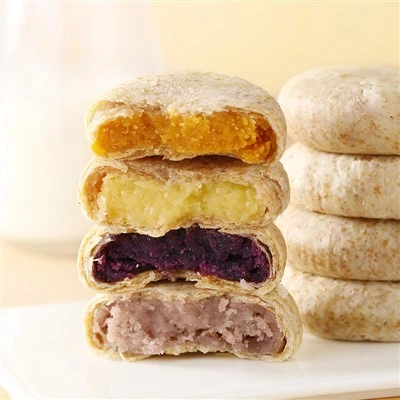
First up, let’s talk about the dough. This is the backbone of every Chinese pastry, right? Whether it’s mooncakes, egg tarts, or red bean pastries, if the dough’s off, the whole thing falls apart. The big mistake here? Using the wrong fat. A lot of home bakers (even some small-time suppliers!) grab vegetable oil because it’s cheap, or say “butter works for everything” like it does in Western baking. But Chinese pastries rely on lard, or at least a mix of lard and butter, for that flaky, crumbly texture that’s iconic. Wait, don’t get me wrong—vegetable oil might seem like a shortcut, but it doesn’t solidify the same way. Lard gives the dough that “layers” when you fold it, which is why your mooncakes have that crisp outer skin instead of a soft, tough mess. I’ve seen people test this: swap lard for oil, and their pastries turn dense and chewy, not flaky. That’s a mistake that kills not just texture, but the whole traditional taste.
Another dough fail? Not resting it long enough. I get it—you’re excited to bake, so you skip the rest step and start rolling right away. But Chinese pastry dough (especially the one used for layered pastries like su-style mooncakes) needs time to relax. If you roll it too soon, it’ll shrink back when you try to shape it. I’ve had new bakers come to me complaining, “My dough keeps shrinking—what am I doing wrong?” Nine times out of 10, they didn’t rest it for at least 30 minutes, sometimes even an hour, depending on the recipe. Resting lets the gluten in the flour calm down, so it’s easy to work with. No rest = messy shaping, uneven layers, and pastries that don’t hold their form when baking. It’s such a small step, but so many people overlook it.
Next, let’s move to filling. This is where a lot of people try to cut corners, and it shows. The number one mistake here? Using pre-made canned filling. I know—canned red bean or lotus seed paste is super easy, but it’s loaded with preservatives and too much sugar. Traditional pastries use homemade filling, where you simmer the beans or seeds slowly, mashing them until they’re smooth but not grainy, and adjust the sugar to balance the nuttiness. Canned filling has that weird, artificial aftertaste that takes away from the whole experience. I had a café owner reach out to me once, saying their mooncakes weren’t selling—turns out, they were using canned lotus paste. Once they switched to fresh, hand-made paste, sales went up 40% in a month. That’s how big that mistake is. Another filling mistake? Overstuffing. You’d be surprised how many people pack way too much filling into their dough. Then, when you bake it, the filling oozes out, burns on the tray, and the pastry splits open. You want a 70-30 split: 70% dough, 30% filling, roughly. It sounds tight, but that’s the sweet spot. Overstuffing is the fastest way to ruin a batch.
Now, let’s talk about baking temperature. This is a huge one, especially for mooncakes. New bakers often set the oven too low, because they think “slow and steady” is better. But Chinese pastries need a high initial heat to set the skin quickly. If the oven’s too cool, the dough spreads instead of holding its shape, and the layers don’t crisp up. For su-style mooncakes, I preheat the oven to 375°F (190°C) first, bake for 10 minutes, then lower to 350°F (175°C) for another 15. If you skip that first high heat step, the layers stay dense, not flaky. On the flip side, too high a heat burns the outside before the inside is cooked. I see this all the time—people crank it to 400°F, and the skin turns black, while the filling’s still raw. It’s a delicate balance, but getting the temperature right makes the difference between a great pastry and a forgettable one.
Wait, what about glazing? A lot of mooncakes have that shiny golden top, right? The mistake here is using just egg yolk, or over-glazing. Traditional glazing is a mix of egg yolk and a tiny bit of water, brushed on once before baking. If you use whole egg, it turns too dark, or streaky. If you brush it too much, it covers the layers and makes the pastry look dull, not glossy. I’ve seen bakers use a lot of different glazes—even sugar syrup—but the classic egg yolk wash is best. Skip that, and your mooncake doesn’t have that signature sheen that people look for. It’s a small detail, but it’s what makes the pastry feel authentic.
Then there’s shape and size. I know it’s tempting to make big pastries, but traditional Chinese pastries are meant to be small—usually 2-3 ounces (55-85 grams) each. A lot of people make them too big, so the dough is thick and the filling is overwhelming. Smaller pastries are more balanced: you can eat one in a couple bites, no guilt, and the ratio of dough to filling is perfect. I had a customer who owned a bakery tell me they were making 6-ounce mooncakes, and they sat on the shelves. Once they downsized, they sold out every weekend. Size matters, and it’s tied to how the pastry is meant to be enjoyed.
Another mistake? Not accounting for humidity. Chinese pastry dough is sensitive to how wet or dry the air is. If it’s a humid day, the dough will get sticky, so you need to add a little extra flour. If it’s dry, the dough will crack, so you need to cover it with a damp cloth while resting. I learned this the hard way—one summer, my kitchen had way too much humidity, and I made a batch of egg tarts that were so sticky, no one could shape them. I had to throw half the batch out. Since then, I keep a little extra flour on hand, and adjust based on the weather. Skipping this leads to dough that’s too sticky or too brittle, which is a total waste of ingredients.
Now, let’s talk about the bigger picture—why these mistakes matter, especially if you’re a supplier or shop owner. When customers taste a bad traditional pastry, they think “all Chinese pastries are this way,” not that it’s a mistake. That’s why so many people get the impression these pastries are just “sweet dough,” not the delicate, layered treats they’re supposed to be. I’ve had people come to my shop, saying “I tried a mooncake once and it was boring,” then try my traditional su-style and go, “Oh, that’s what it’s supposed to taste like!” It’s all about avoiding these small mistakes.
If you’re looking to source pastries for your business, don’t cut corners like using canned filling or wrong fat. That’s why I make all my fillings from scratch, use lard for the right texture, and bake at the exact temperature every time. I’ve been doing this long enough to know the little things that make a pastry stand out.
By the way, if you’re a shop owner, café, or even a meal service looking to add authentic traditional Chinese pastries to your menu, hit me up to chat. We can talk about bulk orders, custom options, and making sure your customers get the real deal—no mistakes, just great taste.

Now, let’s wrap this up. Making traditional Chinese pastries isn’t just a recipe—it’s about the small, intentional steps. Skip the wrong fat, don’t rush resting the dough, use fresh filling, get the temperature right, and pay attention to humidity. Avoid these mistakes, and you’ll have pastries that taste like the ones you’d find in a family bakery in China. If you want to learn more, or work with someone who’s been perfecting this for years, feel free to reach out.
Puffed Food References
- Lee, S. (2019). Traditional Chinese Pastries: A Guide to Ingredients and Techniques. Asia Food Press.
- Wong, M. (2021). Common Baking Errors in Asian Pastries and How to Fix Them. Global Bakery Journal.
- Chen, L. (2020). The Science of Lard in Layered Pastry Dough. Culinary Science Quarterly.
- Tan, H. (2022). Resting Dough: Why It Matters for Asian Baked Goods. Pastry Today.
Fujian Luchen Food Co., Ltd.
As one of the most professional traditional chinese pastries manufacturers and suppliers in China since 1986, our products have good reputation in the market. Please feel free to wholesale bulk delicious traditional chinese pastries from our factory. Good service and quality products are available.
Address: No.19, Shangxipulou, Nansheng Town, Pinghe County, Zhangzhou City, Fujian Province
E-mail: service@xmnahan.com
WebSite: https://www.luchenbakery.com/
