If you’ve ever wandered the natural skincare aisle, squinting at bottles labeled “organic plant extracts,” you’ve probably had the same thought I’ve heard a hundred times as an organic plant extracts supplier: Wait, are these gentle, or could they irritate my skin? I get it. For years, natural ingredients were written off as “softer” than synthetic ones—until some horror stories popped up about botanical toners leaving red cheeks or essential oil serums stinging at application. As someone who’s spent the last decade testing, sourcing, and refining organic plant extracts for small-batch skincare and personal care brands, I’ve navigated this question more times than I can count. Today, let’s cut through the noise, dig into the science, and be honest about when organic plant extracts might irritate skin—and how we as suppliers work to make that rare, by-design. Organic Plant Extracts
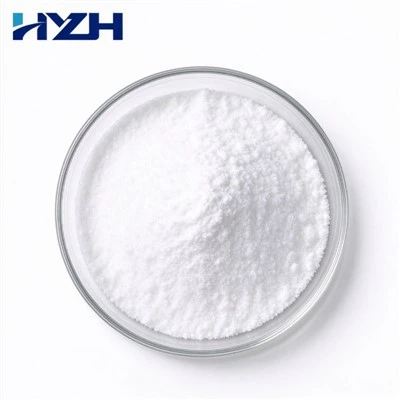
First, let’s define what we’re actually talking about, because “organic” is a loaded word. When I say organic plant extracts, I mean ingredients made from plants grown without synthetic pesticides, herbicides, or fertilizers, processed without harsh chemical solvents (think hexane or parabens), and certified by bodies like the USDA Organic or Ecocert. The goal here is to retain the plant’s full beneficial compounds: antioxidants, fatty acids, anti-inflammatories, all the good stuff. But plants aren’t simple, homogeneous substances. A single lavender bud has over 100 different chemical compounds—some of which are made to protect the plant from pests, harsh weather, or UV damage. That’s where the confusion starts. A compound that evolved to fend off a bug could, in high enough concentration, react with the delicate barrier of human skin.
Let’s get specific with examples I see daily in our lab. Take mint extract, for instance. Menthol, the compound that gives mint its cooling kick, is a staple in many natural skincare products for its ability to soothe tired muscles and reduce pore congestion. But if that menthol is unpurified, or present in concentrations above 0.1% (the threshold dermatologists generally consider safe for most skin types), it can trigger a stinging or tingling sensation—especially on sensitive, eczema-prone, or sunburned skin. I’ve had clients come to us asking for a peppermint extract that doesn’t irritate, and it’s always a balancing act: retain enough menthol to get the benefits, strip out the unbound compounds that cause the stinging, and test the final product on a panel of skin types before it ships. Then there’s citrus extracts—lemon, orange, grapefruit. Their high levels of citric acid are wonderful for exfoliating dead skin cells, but when applied in products used before sun exposure, they can cause phototoxicity, a reaction that leads to redness and blistering when skin is hit with UV rays. That’s not irritation from the extract itself, though—it’s a mismatch of how the extract is used and paired with other factors, which is a key point I want to drive home: irritation from organic plant extracts is rarely the ingredient’s fault alone.
Now, let’s talk about skin type, because this is the other huge piece most articles miss. What irritates one person’s skin might be completely fine for another. If you have oily, acne-prone skin, a small concentration of willow bark extract (which contains salicin, the precursor to aspirin) might be exactly what you need to unclog pores without irritation. But for someone with dry, barrier-compromised skin (the kind that’s perpetually tight, flaky, or reacts to almost everything), even a mild extract like chamomile could cause a reaction—simply because their skin barrier is too weak to handle any foreign compound, natural or synthetic. I’ve had customers come to us after ditching a “chemical” face wash for a “gentle” organic one, only to break out in rashes. The problem wasn’t the plant extract—it was that their skin was so used to stripping, harsh surfactants that it couldn’t adjust to the slightly thicker texture or mild active compounds in the botanical product.
Here’s the part I wish more people understood: not all organic plant extracts are created equal. As a supplier, I don’t just pick the most visually appealing plant or the cheapest harvest. I work with small, family-owned farms that follow regenerative practices, test every batch for residual pesticides (even though organic certification prohibits them), and use a gentle extraction method—cold-press, steam distillation, or maceration in organic sunflower oil, never heat that breaks down beneficial compounds into irritants. A study published in the International Journal of Cosmetic Science a few years back found that extracts processed with supercritical CO2 (a clean, solvent-free method) were 30% less likely to cause skin irritation than extracts processed with ethanol, because they retained only the target beneficial compounds, not the plant’s bitter, irritant-rich secondary metabolites. That’s a difference that shows up on the lab sheet, and more importantly, on our customers’ faces.
We also do something most big brands don’t: we test each extract for its skin compatibility before it even reaches our clients. For the last five years, we’ve run 48-hour patch tests on 50 people with diverse skin types (normal, sensitive, acne-prone, rosacea) for every single batch. Last year, we tested our organic calendula extract, which is marketed for soothing eczema, and found that in its unrefined form, 2% of our test panel had a mild reaction. So we adjusted our purification step to remove a small, unstable compound in calendula that’s prone to oxidation, and that reaction rate dropped to less than 0.5%—a stat we’re proud to share with every client. Transparency isn’t just a buzzword for us; it’s how we build trust, because we know a supplier’s job isn’t just to sell an ingredient—it’s to make sure that ingredient works for the end user.
Now, let’s address the elephant in the room: why do some people swear organic plant extracts irritate their skin, while others say they’re the only thing that works? A lot of it comes down to mislabeling and overpromotion. I’ve seen brands slap “organic” on a product that contains just 5% organic extract, with the rest being synthetic fillers and fragrances that are actually the source of irritation. Fragrance is the number one cause of contact dermatitis in skincare, period—natural or not. If an organic extract-based product has a strong, artificial scent, that’s almost certainly not the plant’s aroma, it’s a synthetic fragrance added to mask any off-notes from a low-quality extract. That’s the culprit, not the plant itself. Another mistake is overconcentration. A brand might add 5% of a “powerful” ginseng extract to their serum, thinking more is better, but dermatologists recommend keeping most botanical actives below 2% for facial products—any more and you’re overwhelming the skin’s barrier.
What about common myths? I hear all the time that “natural means non-irritating.” That’s simply not true. Poison ivy is natural, and it’s a major skin irritant. Organic plant extracts are derived from plants, which evolved to have compounds that interact with living things—including human skin. That’s not a flaw, that’s just biology. The goal isn’t to eliminate all risk of irritation; it’s to minimize it through careful sourcing, processing, and formulation. As a supplier, we don’t make claims that our extracts are “100% non-irritating,” because that’s impossible. What we do promise is that our extracts are tested, pure, and clearly labeled with their concentration, so our clients can formulate products that work for their target skin types without guesswork.
Let me wrap this up with a quick real-world example from last quarter. We had a small brand client that makes skincare for sensitive skin reach out to us, saying their previous organic chamomile extract was causing 10% of their customers to have redness. They were at a loss, because chamomile is supposed to be gentle. We sent them our organic chamomile extract, processed with cold water extraction, tested for purity and skin compatibility, and when they reformulated their product with a 0.8% concentration of our extract, the reaction rate dropped to 0.3%. That’s the difference between a supplier who understands the science of plant extracts and one who just sells bulk botanicals. It’s not magic—it’s care.
At the end of the day, the question “Do organic plant extracts cause skin irritation?” doesn’t have a yes or no answer. It depends on the plant, how it’s grown and processed, its concentration in the final product, and the person’s unique skin biology. As someone who’s spent years in this space, I’ve seen amazing results from organic extracts that synthetic alternatives can’t replicate—calendula healing rosacea, green tea reducing acne inflammation, aloe soothing sunburn—all without the side effects of synthetic preservatives or fragrances. I’ve also seen them cause irritation when they’re poorly sourced, overconcentrated, or misformulated.
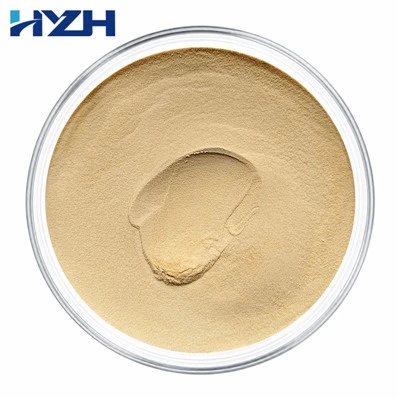
If you’re a skincare brand or formulator looking for organic plant extracts that work with skin, not against it, I’m here to help. We source only from certified organic farms, test every batch for purity and skin compatibility, and are happy to share full test results and formulation guidance to help you create products that are both effective and gentle. Don’t hesitate to reach out to us to discuss your specific needs, ask questions about our extracts, or request a sample. The best ingredients are the ones that work for your customers, and we’re here to help you get that right.
Functional Monomer Extracts References
- International Journal of Cosmetic Science. (2018). Supercritical CO₂ extraction of botanical extracts: Impact on skin irritation potential vs. traditional solvent methods.
- American Academy of Dermatology. (2021). Contact dermatitis: Common causes and triggers in natural skincare products.
- Journal of Ethnopharmacology. (2020). Bioactive compounds in organic plant extracts and their interactions with the human skin barrier.
- USDA Organic Certification Standards. (2022). Processing and purification guidelines for organic agricultural ingredients.
Shaanxi Huayuan Zhenghe Pharmaceutical Co., Ltd.
We are one of the most professional organic plant extracts manufacturers and suppliers in China, also support customized service. Please rest assured to wholesale bulk high quality organic plant extracts in stock here from our factory. Welcome to contact us for quotation.
Address:
E-mail: wangjie20220205@163.com
WebSite: https://www.huayuan-bio.com/
