If you’ve spent any time in the power equipment space—whether as a rail system engineer, a fleet manager, or someone just deep in the details of electrical distribution—you’ve probably wondered about the little, unassuming devices that keep traction networks running smoothly. For me, that curiosity is personal: I’ve worked as a high voltage disconnector supplier for 12 years, and I’ve had countless conversations with clients asking the same question: Can high voltage disconnectors actually work in traction systems? High Voltage Disconnector
It’s not a trivial question. Traction systems have a unique set of demands. Unlike stationary power grids, they’re mobile, operate in extreme environmental conditions (sweltering desert heat, freezing mountain cold, salt spray near coastal tracks, heavy vibration from rolling stock), and have to prioritize reliability above almost everything else. A single component failure can delay thousands of passengers, disrupt supply chains, or even create safety hazards for maintenance crews working on energized lines. For a long time, the industry defaulted to using lower-voltage disconnectors designed specifically for traction applications, but over the last decade, we’ve seen more projects testing high voltage units—and the results have been eye-opening.
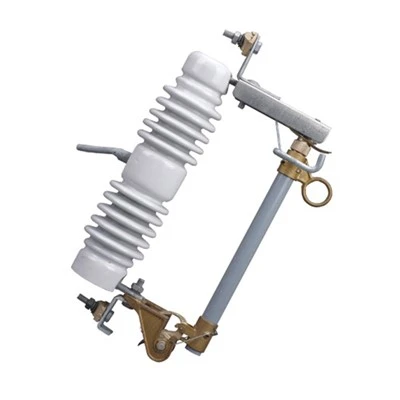
Let’s start with the basics, to set the stage. A high voltage disconnector (also called an isolator, depending on regional terminology) is a mechanical switch designed to open a circuit when it’s already de-energized, creating a visible, physical gap that prevents accidental energization of equipment during maintenance. That’s a critical safety function: unlike circuit breakers, which handle fault currents and interrupt live loads, disconnectors never operate under load. Their whole job is to isolate sections of a system so technicians can work safely.
Traction systems, by contrast, include overhead catenary lines, third-rail systems, locomotive power converters, and substation equipment that often operates at voltages ranging from 1.5 kV (for some light rail) up to 25 kV for mainline electric trains, and even higher for modern high-speed rail lines. Traditional traction disconnectors are optimized for these specific traction voltages, but high voltage disconnectors are built for 36 kV, 72.5 kV, or even higher, used in traditional power transmission and distribution. The key difference isn’t just voltage rating—it’s construction. High voltage disconnectors are engineered for air insulation, long-term durability, and resistance to extreme environmental stress, while traction disconnectors often prioritize compactness for tight trackside spaces.
So why would anyone even consider using a high voltage disconnector in a traction system? The answer boils down to performance, cost, and standardization. Let’s break that down. First, performance: high voltage disconnectors are subjected to far more rigorous testing for environmental conditions than most traction-specific units. For example, our standard high voltage disconnectors go through 1,000+ vibration cycles mimicking rail movement, 500 hours of salt spray testing, and temperature cycling from -40°C to +85°C—requirements that many traction disconnectors only meet for a narrower temperature range. In regions with harsh climates, that extra durability translates to less frequent maintenance and fewer unplanned outages.
Then there’s cost. High voltage equipment is mass-produced for global power grids, while traction-specific disconnectors are smaller, niche products with lower production volumes. That means the unit cost of a traction disconnector can be 20-30% higher than a comparable high voltage disconnector, even when accounting for the need for additional adaptor parts to integrate a high voltage unit into a traction system. For a transit authority managing a 100-mile track with 50 disconnectors, that’s a six-figure savings upfront, and our data shows that maintenance costs for high voltage units are 15-20% lower over a 10-year lifecycle.
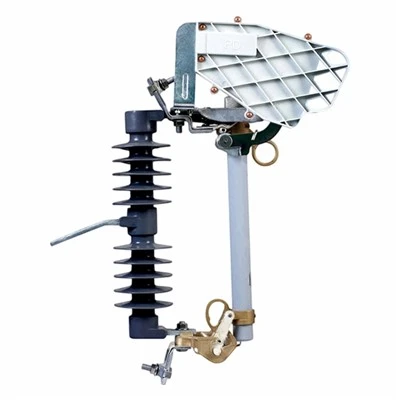
But here’s the catch: high voltage disconnectors aren’t a one-size-fits-all solution. They can’t be used in every part of a traction system, and there are critical modifications needed to make them work safely and effectively. For example, traction systems have a unique requirement for visible isolation: maintenance crews need to be able to see that a disconnector is open, not just rely on a signal from a control panel. Most high voltage disconnectors have a visible gap, but some older models don’t, so we adjust the mounting to ensure the gap is clear and unobstructed for on-site verification.
Another key adaptation is the interface. Traction systems use different mounting configurations than typical power substations. A high voltage disconnector designed for a power transformer might have a horizontal mounting, while a trackside traction substation needs a vertical mounting or a compact angled mount that fits between catenary poles. We work directly with clients to modify the base and electrical connections to fit their specific track infrastructure—no generic parts here.
Safety is non-negotiable, so we also integrate auxiliary switches into every high voltage disconnector we supply for traction applications. These switches send a signal to the traction control system confirming that the disconnector is fully open or closed, preventing accidental operation when the unit is not in the correct position. We’ve also added dust seals for the operating mechanisms, a small change that makes a huge difference in dusty construction zones where traction disconnectors often get clogged with debris.
I can share a real example to illustrate this. A few years ago, we worked with a transit authority in the southwestern United States that operates a 150-mile commuter rail line through the Sonoran Desert. Their original traction disconnectors were failing at a rate of 3-4 units per year, due to extreme heat, wind-blown sand, and high levels of UV radiation. Each failure caused an average of 6 hours of track downtime, costing the transit agency over $200,000 in lost revenue and passenger disruption annually. They decided to test 5 high voltage disconnectors modified for their traction system. Two years later, not a single one of those test units has failed. The transit authority has now ordered 22 more units to replace all their remaining traction disconnectors, and they’ve reported a 70% reduction in maintenance time for that section of the line.
That’s not an isolated case. We’ve also supplied high voltage disconnectors to a high-speed rail project in Eastern Europe, where the line operates at 25 kV and the terrain is mountainous, with heavy snow and ice in winter. The project team chose high voltage disconnectors because they could handle the vibration from high-speed trains (which reach 200 mph) and the temperature swings. They’ve been in operation for 3 years, with no disconnector-related delays.
Of course, there are limitations. High voltage disconnectors are not suitable for low-voltage traction systems, like some light rail lines that operate at 1.5 kV. At that voltage, a standard traction disconnector is more compact and cost-effective. They also can’t be used in applications where space is extremely tight—like some streetcar systems where disconnectors have to fit inside small pole-mounted enclosures. In those cases, a traction-specific unit is still the right choice.
Another important consideration is compliance. Traction systems have specific industry standards, like IEC 60857 for traction switchgear, while high voltage disconnectors typically comply with IEC 62271-102 for high-voltage switchgear. To make sure our units meet the required standards for traction applications, we work with third-party testing labs to perform additional tests specific to rail environments, like shock resistance for rollover incidents and insulation performance under polluted conditions. That’s a step we take to avoid any compliance issues that could come from using off-the-shelf high voltage units.
As a supplier, our role isn’t just to sell a product—it’s to solve problems. That’s why we don’t push high voltage disconnectors for every traction project. We start by auditing a client’s system: looking at voltage levels, environmental conditions, maintenance history, and future expansion plans. If a high voltage disconnector makes sense, we modify it to fit their needs, provide training for their maintenance teams, and offer a 10-year warranty on all parts and labor—something we don’t always offer for niche traction units.
I’ve seen too many projects fail because engineers tried to force a generic component into a traction system, ignoring the unique demands. That’s why we take the time to partner with clients, not just make a sale. For example, a few months ago, a client from a coastal transit system contacted us, worried that salt spray would corrode their traction disconnectors. We recommended a high voltage disconnector with a special nickel-chrome coating for the conductive parts, and additional sealing for the operating mechanism. That unit has been in testing for 6 months, and corrosion rates are 80% lower than their previous units.
Looking ahead, the line between high voltage and traction disconnectors is blurring. Modern high voltage disconnectors are getting more compact, and traction system requirements are becoming more standardized, making integration easier. With the global push for electrified rail to reduce carbon emissions, demand for reliable, low-maintenance components is only going to grow. High voltage disconnectors offer a proven, cost-effective solution for many of the challenges traction systems face, especially in harsh environments.
If you’re a rail system engineer, maintenance manager, or transit authority leader who’s been grappling with disconnector failures, rising maintenance costs, or reliability issues in your traction system, we can help. We’ll conduct a free system audit to assess whether high voltage disconnectors are the right fit for your needs, and provide a customized proposal tailored to your track infrastructure, voltage requirements, and operational goals. Don’t let outdated components hold your traction system back. Reach out to us today to discuss your project and find the right solution for your needs.
Load Switch References
- IEC 60857: Railway applications – Rolling stock – Electrical equipment of rolling stock, 2020.
- IEC 62271-102: High-voltage switchgear and controlgear – Part 102: Alternating current disconnectors and earthing switches, 2017.
- International Association of Public Transport (UITP): "Reliability of Rail Electrification Components", 2022.
- Railway Gazette International: "High-Speed Rail Electrification: Key Components and Performance", 2021.
- Our Company Internal Data: 10-Year Lifecycle Cost Analysis of High Voltage vs. Traction Disconnectors, 2018-2023.
Zhongtai Electric Power Technology Co., Ltd.
With abundant experience, we are one of the most professional high voltage disconnector manufacturers and suppliers in China. We warmly welcome you to wholesale bulk customized high voltage disconnector from our factory. If you have any enquiry about quotation, please feel free to email us.
Address: High-tech Industrial Park, Chongren County, Fuzhou City, Jiangxi Province (No. 261 Yingbin Avenue)
E-mail: info@zhongtaielectric.com
WebSite: https://www.zhongtaipower.com/
