Hey, let’s cut to the chase: if you’re a blow molder hunting for materials that balance toughness, chemical resistance, and cost, you’ve probably wondered if nylon compounds are actually worth testing. As someone who’s been supplying custom nylon compounds for blow molding for almost a decade, I get it—blow molding’s a finicky process, and picking the wrong material can turn a $50k mold into a doorstop faster than you can say “parison sag.” Let’s break this down like we’re hanging out at a trade show bar, no stuffy jargon, just real talk on whether nylon compounds stack up for blow molding. Nylon Compounds
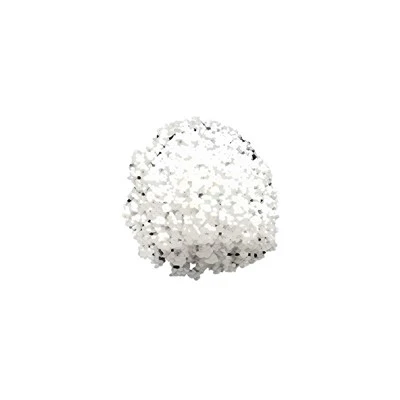
First, let’s start with the basics: what’s a nylon compound, anyway? It’s not just straight nylon (that’s brittle and messy to process for most applications). We’re talking nylon (usually PA6, PA66, or specialty ones like PA12) mixed with additives—UV stabilizers, impact modifiers, heat stabilizers, sometimes a bit of glass fiber if you need stiffness. Blow molding needs a material that can melt smoothly into a parison (that long tube of plastic you extrude before blowing it into a mold) without drooping, holds its shape when inflated, and doesn’t crack once it cools. Straight nylon? Great for injection molding, but it’s got a narrower processing window—too hot, and it degrades; too cold, and the parison snaps. That’s why we compound it.
So, are they suitable? Short answer: yes, but only if you pick the right compound for your part. Let’s run through the big use cases where nylon compounds blow molding actually shines, because that’s where most people see value.
Take industrial fluid handling parts—think fuel tanks for small equipment, hydraulic reservoir liners, chemical drum bladders. If you’ve ever struggled with HDPE being too permeable (fuel seeps right through) or PP being too flimsy in cold weather, nylon compounds fix that. Let’s talk fuel tanks: small engines (lawn mowers, generators, ATVs) need a material that doesn’t leach gasoline, can handle temperature swings from -40°F in winter to 120°F in summer, and doesn’t crack if you drop the tank. We do a custom PA6 blend for a client’s ATV fuel tanks—they switched from HDPE, and their leak rate dropped by 85% because PA6 has way lower gas permeability. That’s a big win.
Then there’s consumer goods: coolers, reusable water jugs, even some automotive interior parts (like door armrests). Cooler makers love nylon compounds because they’re stiffer than HDPE, so the cooler doesn’t cave in if you stack a heavy cooler on top, and they hold up better to UV rays than PP or PE—no more yellowing after a summer on the back porch. We also have a PA12 blend that’s food-safe, perfect for reusable water bottles that get tossed around; it’s impact-resistant enough not to crack when you drop it, and it doesn’t absorb weird flavors like some other plastics.
Now, let’s be real—blow molding with nylon compounds isn’t like blowing up a balloon with HDPE. You’ve got to adjust your process, and there are some gotchas. The first one: parison sag. Nylon has a higher melt viscosity than HDPE, but if your extruder temperature’s set wrong, the parison can stretch too thin at the bottom before you inflate it. We tell all our clients to run a 10-15°F lower melt temp than they would for straight PA, and to slow down the extrusion speed a little—lets the parison cool just enough to hold its shape. Another gotcha: moisture. Nylon’s a hygroscopic material—it absorbs water from the air, and if you blow mold it without drying it first, you get bubbles in the part, or it breaks during inflation. It’s not a big deal—just add a desiccant dryer to your line for 4-6 hours before processing, and you’re golden. We even send a little processing cheat sheet with every shipment to new clients, so they don’t mess that up.
Wait, some folks will say “nylon’s too expensive” compared to HDPE or PP. Yeah, upfront it’s pricier, but let’s do the math. If you’re making a chemical drum, HDPE might cost 20% less per pound, but it’s so permeable that you’re either wasting product that seeps out or have to line it with extra layers. Nylon compounds? One layer, no leaks, and you can run 20% faster on your blow molder because the parison holds its shape, so less scrap. For a client making hydraulic reservoir blenders, they went from 12% scrap with HDPE to 3% with our PA6 blend—even with the material cost difference, their per-part cost went down 10%. That’s the kind of ROI that makes people stop complaining about material prices.
What about the limits? Nylon compounds aren’t for every blow molding job. If you’re making a one-gallon water jug for a grocery store, HDPE is still the way to go—it’s cheap, easy to process, and works fine. If you’re making a high-pressure hydraulic component that needs to hold 1000 PSI, a glass-filled nylon compound is perfect, but if you’re making a thin, flexible squeeze bottle for ketchup? Nylon’s too stiff for that. It’s all about matching the compound to the part’s requirements.
As a supplier, we don’t just dump a bag of nylon pellets on a client’s doorstep. We work with them to tweak the additives based on their part. Need a fuel tank that works in desert heat? We add extra UV and heat stabilizers. Need a cold-resistant cooler for Alaska? We mix in impact modifiers that work down to -50°F. Last year, we helped a small boat manufacturer develop a custom PA11 blend for buoy floats—they were using a glass-filled PP that kept cracking in saltwater, and our nylon compound not only resisted salt corrosion but was 15% lighter, which made their boat easier to tow. That’s the kind of problem-solving that matters, not just selling a product.
Now, let’s address the elephant in the room: common myths about nylon compounds and blow molding. Myth #1: Nylon is too hard to process. Yeah, if you use straight, unmodified PA, it is. But 90% of the nylon we supply is compounded with impact modifiers and processing aids that make it just as easy to blow mold as PP. We even have a low-viscosity PA6 blend for small, thin parts that runs on the same equipment as HDPE, no extra adjustments needed. Myth #2: All nylon compounds are the same. Nope. A $1 per pound PA6 from a discount supplier is going to have inconsistent molecular weight, so your parison will sag inconsistently, and parts will fail. We test every batch for melt flow rate and moisture content before it leaves our warehouse, so clients don’t get stuck with bad material.
If you’re on the fence about trying nylon compounds for your blow molding operation, here’s the thing: it’s not a one-size-fits-all, but it’s a great option for parts that need to outperform standard plastics. We’ve seen clients go from losing 10% of parts to scrap to less than 3%, cut their material waste, and charge 15% more for their products because they can advertise a “leak-proof fuel tank” or “UV-resistant cooler that lasts 5 years longer.” That’s not just a material change—that’s a competitive edge.
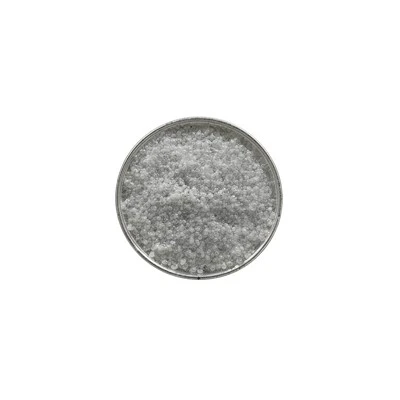
If you’re dealing with a part that’s currently failing with HDPE or PP (cracking, leaking, too heavy, not durable), hit us up for a sample. We’ll send you a small batch of the right nylon compound, share our processing tips, and even help you tweak your mold settings if you need it. No pressure, no sales pitch—just people who’ve been in this game long enough to know that the right material makes all the difference.
Nylon Compounds References:
- Engineering Plastics Industry Association. (2022). Blow Molding of Specialty Polyamides: Process Optimization Guidelines.
- Journal of Applied Polymer Science. (2021). Permeability and Mechanical Properties of Nylon Compounds for Fluid Handling Applications.
- SPI: The Plastics Industry Trade Association. (2023). Blow Molding Material Selection Guide for Industrial and Consumer Products.
Changshu Diyou New Material Technology Co., Ltd.
As one of the most professional nylon compounds manufacturers and suppliers in China, we also support customized service. We warmly welcome you to wholesale high-grade nylon compounds in stock here from our factory. If you have any enquiry about quotation, please feel free to email us.
Address: No.58 Yagu Line, Xinyu Village, Shanghu Town, Changshu City, Suzhou City, Jiangsu Province
E-mail: 13862301520@163.com
WebSite: https://www.diyouplas.com/
