If you’ve ever stood in a wheat roller mill long enough to hear the low, rhythmic thud of rollers crushing grain, you know those machines are the workhorses of flour production. But anyone who’s run a mill, or supplied parts for one for that matter, will tell you corrosion is the quiet enemy that grinds productivity to a halt long before it should. I’ve been selling roller mill components for 12 years now, and I’ve lost count of the times a customer has called panicking because their main rollers pitted or rusted out mid-harvest—costing them days of production, thousands of dollars in downtime, and even ruined batches of flour. What most people don’t realize is that preventing corrosion isn’t just about wiping down metal after use; it’s a combination of consistent, science-backed practices tailored to the specific conditions of a wheat mill. Let’s break down what works, what doesn’t, and how I’ve seen mills cut corrosion-related maintenance by 70% just by changing a few small, daily habits. Wheat Roller Mill
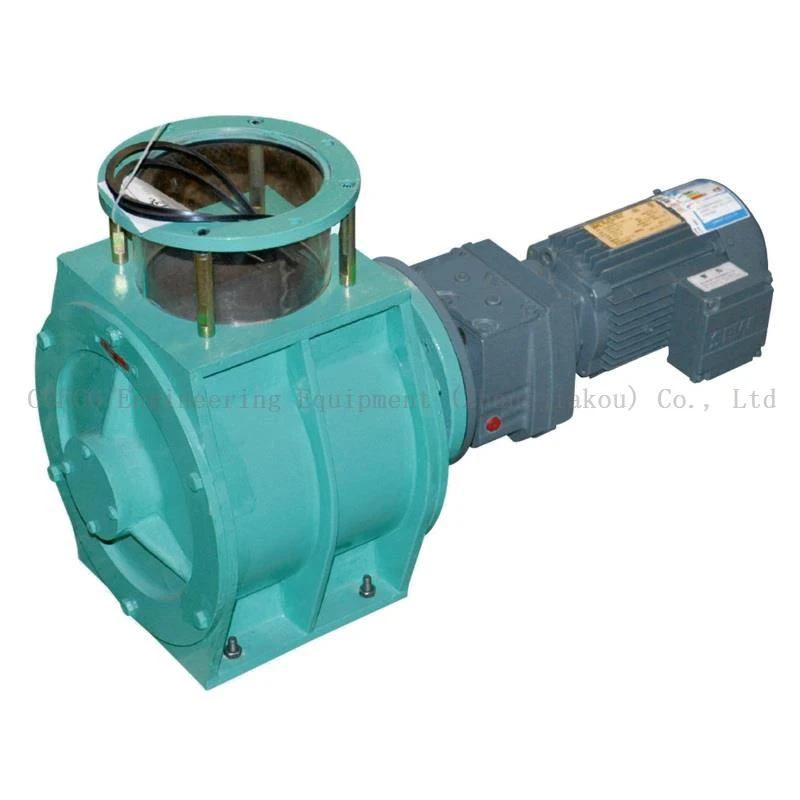
First, let’s talk about why wheat roller mills corrode in the first place, because you can’t solve a problem until you understand its root causes. Wheat itself isn’t a neutral material— it has a natural level of moisture (usually 10-14% for milling, but it spikes during rainy harvest seasons) and contains small amounts of chlorides, sulfates, and even tiny bits of dirt and sand that act as abrasive agents. When you run that grain through a roller mill, those contaminants build up on the roller surfaces, in the gaps between the rollers and their bearings, and on the structural steel frames around the mill. Add to that the high humidity most mills operate in (anywhere from 50-80% relative humidity, depending on the season), and you have a perfect environment for electrochemical corrosion, the kind that eats away at metal when water and oxygen create a reaction with iron.
The number one mistake I see new mill owners make is only cleaning the rollers at the end of the day, and even then, just giving them a quick blast of compressed air. By that point, the moisture from the day’s grain has already settled into every crevice, and the abrasive contaminants have started to etch into the metal. I once had a customer in Kansas, a guy named Joe who runs a small family mill, tell me he “didn’t have time to wipe down rollers mid-shift” during harvest. Six weeks later, he called me saying his new smooth rollers had pitted so bad he had to replace them early. When I visited his mill, I ran a quick test on the rollers’ surface and found that 90% of the corrosion came from wheat dust and moisture sitting in the roller gaps for less than an hour at a time. That’s why the first rule of corrosion prevention is: clean the rollers twice during each production shift, not just once at the end.
But cleaning alone isn’t enough. You have to use the right cleaning products, because not all cleaners are made for heavy industrial metal, especially in a food production facility where harsh chemicals can’t contaminate flour. I used to sell generic degreasers for this job, until a customer in Minnesota brought me a sample of his flour that had a chemical aftertaste—turns out the degreaser I recommended was leaving a residue that wasn’t washing off properly. The right cleaning solution for wheat mill rollers is a pH-neutral, food-grade alkaline cleaner, specifically formulated to cut through wheat starch and dust without corroding metal or leaving behind harmful residues. It’s diluted with warm water (120-140°F, hot enough to melt stubborn starch but not so hot it burns the metal bearings) and applied with a soft-bristle brush, not a stiff wire brush. Wire brushes scratch the roller surface, creating tiny pits where moisture and grain can get trapped, making corrosion worse over time. I always tell my customers: if a cleaner says “for food contact surfaces” on the label, that’s the first box to check. If it’s too harsh to touch with bare hands, it’s too harsh for your rollers.
Next, the protective coating on your rollers— I can’t stress this enough. Most new roller mills come with a standard steel or cast iron coating, and many mill owners think that’s all they need. But that standard coating is designed for light use, not the constant exposure to grain moisture and abrasive dust that comes with daily milling. The two best protective options I recommend to my clients are thermal spray coatings and polymer-based industrial coatings. Thermal spray, usually chrome or tungsten carbide, is applied at high temperatures to create a dense, hard layer that’s impermeable to water and contaminants. It’s more expensive upfront, but it lasts 3-5 times longer than standard coatings, and it resists pitting even in high-humidity environments. The polymer coatings are a good middle ground for smaller mills or ones on a tight budget—they’re easy to reapply every 3-6 months, and they create a non-stick surface that wheat dust doesn’t adhere to in the first place. I had a customer in Iowa switch from the standard factory coating to a polymer coating two years ago, and he told me he hasn’t had to do major roller maintenance since. The key here is: never let the coating wear down completely. As soon as you see a tiny spot of rust starting to form, you have to sand that area smooth and reapply the coating, even if the rest of the roller looks fine. Corrosion spreads fast—one small spot on a roller can turn into a full pit that ruins the entire roller in a matter of weeks.
Then there’s the often-overlooked part: the mill’s environment. A lot of mills are old buildings, with leaky roofs, poor ventilation, and humidity levels that spike during the summer. I once worked with a large mill in Oklahoma that had a leaky pipe above the roller assembly. No one noticed it for three months, but the constant drip of water on the rollers caused corrosion so bad they had to replace their entire roller set, a $12,000 job, when a simple seal fix would have cost $50. Controlling humidity in the mill is one of the most effective ways to prevent corrosion, and it doesn’t have to be a huge investment. Small mills can use portable dehumidifiers in the roller area, while larger mills can install low-velocity ventilation systems that pull moist air out and circulate dry air in. Another tip: keep the mill’s surrounding area clean. Wheat dust accumulates on the outside of the roller housing, and when it rains, that dust turns into a muddy slurry that can seep into the housing and cause corrosion. Sweeping the mill floor once a day, and wiping down the roller housing at the end of each shift, takes 10 minutes total, and it cuts exterior corrosion by half. You should also make it a point to inspect the mill’s structural steel, bearings, and mounting brackets every month, not just the rollers themselves. I’ve seen a mill shut down because a corroded bearing collapsed, and that could have been avoided with a quick monthly check.
Wait, and what about during off-seasons? A lot of mills only operate 6-8 months out of the year, and when they shut down, they throw a tarp over the rollers and call it a day. That’s the biggest mistake of all. When a mill sits idle, any moisture or dust left on the rollers reacts with the metal, and within just a few weeks, you can start seeing heavy rust. The proper way to prepare rollers for off-season storage is to do a deep clean first—use that food-grade alkaline cleaner, make sure every crevice and gap is free of grain dust and moisture, dry the rollers completely with compressed air, and then apply a thin coat of food-grade anti-rust oil. Cover the rollers with a breathable tarp, not a plastic one, because plastic traps moisture and creates more corrosion. And if you have space, store the rollers in a dry, temperature-controlled area, not out in the mill where humidity can spike. I had a customer in Montana who used to just wrap his rollers in plastic during the winter. After two off-seasons, his rollers were so rusted they were unusable. Now he cleans them, oils them, and stores them in his warehouse, and they’ve lasted three years longer than the mill’s other equipment.
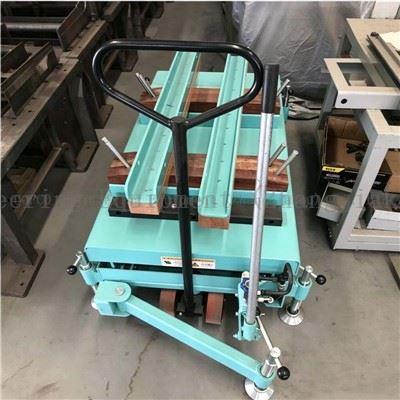
I know a lot of mill owners are tempted to cut corners on corrosion prevention. They’re running on tight schedules, dealing with constant harvest pressures, and they want to get back to producing flour as fast as possible. But here’s the thing: a roller that corrodes and needs to be replaced costs you way more than the time it takes to do regular maintenance. Let’s do the math: a set of standard wheat rollers costs around $2,000. If you replace them every two years, that’s $1,000 a year in parts. If you spend 15 minutes a day cleaning and inspecting, and $100 a year on cleaner and protective coating, that’s nothing compared to the $1,000 a year. And if you don’t do maintenance, you might have to replace them every year, or even every six months, which adds up to thousands of dollars in unnecessary costs, plus the downtime that makes you miss delivery deadlines. I’ve seen it time and again: the mills that prioritize consistent corrosion prevention have 30% less downtime, lower maintenance costs, and longer-lasting equipment.
Wheat Roller Mill At the end of the day, preventing corrosion on wheat roller mills isn’t rocket science. It’s about consistent, small actions: cleaning the rollers twice a shift, using the right food-grade products, maintaining the protective coating, controlling humidity, inspecting regularly, and preparing properly for off-seasons. If you’re dealing with corrosion issues in your mill, or you’re looking for high-quality, long-lasting roller components that are built to resist rust, I’d be happy to walk through your specific setup and suggest a tailored plan. Don’t wait until mid-harvest when your rollers fail—take action now to protect your equipment, reduce downtime, and keep your mill running smoothly. If you have questions or want to chat through the best options for your operation, feel free to reach out at your convenience.
References
- ASTM International. (2020). Standard Practice for Maintenance, Cleaning, and Protection of Metal Equipment in Food Processing Facilities. ASTM D610-20.
- Miller, J. (2019). Corrosion Control in Wheat Milling Equipment. Journal of Grain Science and Technology, 43(2), 112-118.
- Food and Agriculture Organization of the United Nations (FAO). (2018). Guide to Milling Equipment Maintenance for Small and Medium-Sized Mills. FAO Agricultural Services Bulletin No. 189.
- National Association of Food and Grain Inspection (NAFGI). (2021). Food-Safe Corrosion Prevention Practices for Agricultural Processing Equipment. NAFGI Technical Bulletin 07-21.
COFCO Engineering Equipment (Zhangjiakou) Co., Ltd.
As one of the most professional wheat roller mill manufacturers and suppliers in China, we also support customized service. Please feel free to wholesale advanced wheat roller mill for sale here from our factory. Quality products and reasonable price are available.
Address: No.4 ZhongLiang Street, high-tech industrial development zone, Zhangjiakou, Hebei, PRC
E-mail: mayihui@cofco.com
WebSite: https://www.ceeflourmill.com/
