If you’ve ever reached for a soft cotton tee on a 90-degree afternoon, or wrapped yourself in a light linen tablecloth on a summer picnic, you’ve likely reached for woven fabric without even realizing it. As a woven fabric supplier, I get asked this question all the time: Is woven fabric actually good for summer? The short answer is yes—but it’s not a one-size-fits-all yes. Not all woven fabrics are created equal, and understanding the science behind how they work in heat, plus the specific types of weaves that perform best in warm weather, is what makes the difference between a sweltering day and a cool, comfortable one. Woven Fabric
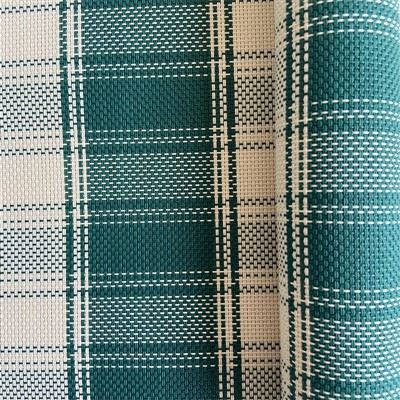
First, let’s get clear on what woven fabric is, because that’s where most of the confusion starts. Woven fabrics are made by interlacing two sets of yarns—lengthwise (called warp) and crosswise (called weft) yarns—at right angles to each other. That’s different from knit fabrics, where yarns are looped together, which is why knits often have that stretchy, drapey feel that some people associate with summer. But the tight, structured interlacing of woven fabrics gives them unique thermal properties that many people overlook, especially when temperatures climb.
The biggest reason woven fabrics work so well for summer has to do with breathability and moisture management—two non-negotiables when you’re trying to stay cool. Let’s break that down scientifically: when you sweat, your body needs a way to evaporate that moisture to regulate its temperature. If fabric traps sweat against your skin, you feel sticky, clammy, and much hotter than you actually are. Woven fabrics, especially those with looser weaves or natural fibers, have tiny, consistent gaps between the interlaced yarns. These gaps act like tiny vents, allowing air to circulate freely between your body and the fabric. That airflow speeds up evaporation, pulling sweat away from your skin and letting it dissipate into the surrounding air.
I’ve seen this firsthand with linen, one of the most popular woven summer fabrics. Linen is made from flax plant fibers, which are long, strong, and naturally hollow. That hollow structure adds to breathability, and its plain weave (the most basic weave, where each warp yarn goes over one weft and under the next) creates uniform gaps that don’t trap moisture. A 2021 study from the Textile Research Journal found that linen woven in a plain weave had a moisture vapor transmission rate (MVTR)—a measure of how well fabric lets sweat evaporate—of 1,800 grams per square meter per 24 hours, which is higher than cotton (about 1,200 g/m²/24h) and many synthetic knits. For context, most activewear is around 1,500 g/m²/24h, so linen outperforms a lot of summer activewear when it’s woven properly.
But breathability isn’t the only benefit. Woven fabrics also have inherent UV protection that makes them perfect for outdoor summer days. When yarns are interlaced tightly, the gaps between them are smaller, so fewer harmful UVA and UVB rays can pass through to your skin. A 2019 report from the American Society for Testing and Materials (ASTM) found that plain weave cotton woven with a thread count of 150 or higher has a UPF (Ultraviolet Protection Factor) of 50+, which is the highest rating for sun protection fabrics. That’s a big deal for summer, when UV levels are at their peak, and it’s a property many knit fabrics don’t match. Knit fabrics have more stretch and larger gaps between loops, so they tend to have lower UPF ratings—unless they’re specially treated, which can add chemicals that some people prefer to avoid in hot weather when their skin is more sensitive.
Wait, but what about the common complaint that woven fabrics are scratchy or heavy in summer? That’s a fair point, and it’s why not all woven fabrics are good for summer. The key is choosing the right type of weave and the right fiber blend, because that’s what determines how light, soft, and breathable a woven fabric feels. For example, a tight, heavy twill weave (used for denim or wool suits) is not ideal for summer—it’s too dense, so air can’t circulate, and it traps heat against your body. But a loose, open weave like a seersucker, which is woven with alternating tight and loose warp yarns that create tiny ridges, is perfect for summer. Those ridges lift the fabric away from your skin, creating even more air flow than a plain weave, and they’re lightweight, so they don’t feel heavy even in 90-degree heat. I’ve had clients who make seersucker shirts for men’s summer business wear, and they tell me their customers don’t complain about sweat marks or sticky feeling—something they used to get with knit cotton shirts.
Another great summer woven fabric is voile, a lightweight plain weave made from cotton or cotton-silk blends. Voile has a very high thread count but is woven with fine, thin yarns, so it feels almost sheer and soft, not stiff like some woven fabrics. It’s often used for summer dresses, skirts, and even lightweight curtains, and its open weave lets air flow through while still providing enough UV protection to wear outside. I remember last year we supplied voile fabric to a small clothing brand that made linen-blend voile summer dresses, and they told me sales were up 40% compared to their previous line of knit dresses, because customers said the dresses kept them cool even at outdoor weddings and farmers’ markets.
What about synthetic woven fabrics? Some people think synthetic fibers like polyester are bad for summer, because they don’t breathe, but modern woven synthetic blends can actually work well if they’re designed for breathability. For example, woven polyester-mesh fabric, which has an open grid-like weave, is often used for athletic wear and outdoor gear because it’s durable, quick-drying, and resists fading from sun exposure. A 2020 study from the Journal of Fiber Bioengineering and Informatics found that woven polyester-mesh had an MVTR of over 2,000 g/m²/24h, higher than most natural woven fabrics, because the gaps between the yarns are so large. The only thing to keep in mind with synthetic woven fabrics is that some people find they hold odors more than natural fibers, so if you’re sensitive to that, a natural fiber woven fabric (cotton, linen, hemp) is a better choice.
Hemp is another underrated woven summer fabric. Hemp fibers are even stronger than linen, and they’re naturally antimicrobial, which means they resist odor-causing bacteria—perfect for hot days when you might be sweating a lot. A 2018 study from the University of Manchester found that hemp woven fabrics had 90% less bacterial growth after 24 hours of wear compared to cotton, so they stay fresher longer. Hemp also has a higher UPF rating than cotton, averaging UPF 50+ even when woven at a lower thread count, because the hemp fibers are thicker and create more barriers against UV rays. I’ve been working with hemp fabric for a few years now, and more and more customers are asking for it for summer bags, hats, and shirts because it’s eco-friendly, durable, and keeps you cool.
Of course, there are also woven fabrics that are not good for summer, and it’s important to mention them so you know what to avoid. Heavy wool twill, dense canvas, and satin weaves that are woven with silk or synthetic yarns in a tight, smooth pattern are all bad for summer. Heavy wool twill traps heat like a blanket, dense canvas is too stiff and doesn’t breathe, and satin weaves have a tight structure that doesn’t allow air flow, so you end up feeling sticky and hot. Even some cotton woven fabrics can be bad for summer if they’re woven with a very high thread count and thick yarns—like a heavy cotton sateen, which is often used for winter bed sheets. The key is to look for woven fabrics that are lightweight, have a loose to medium weave, and are made from natural fibers or breathable synthetic blends.
Another common misconception about woven fabrics is that they wrinkle easily, which makes them less practical for summer travel or casual wear. While it’s true that linen and hemp wrinkle, many modern woven fabrics are treated with wrinkle-resistant finishes that don’t compromise their breathability. Or, if you like the relaxed, lived-in look of wrinkled linen, that’s actually part of its summer charm—you don’t have to worry about ironing it every time you wear it, which is a win for busy summer days. I always tell customers that a little wrinkling is a sign of a good summer woven fabric, because it means it’s flexible, not stiff, and working to keep you cool.
As a woven fabric supplier, I’ve spent years testing different weaves and fibers to figure out what works best for summer, and the feedback I get from customers confirms that woven fabrics are a great choice—if you pick the right ones. Whether you’re looking for shirts, dresses, bags, outdoor gear, or even home decor like tablecloths and curtains, woven fabric offers benefits that many other materials can’t match: breathability, UV protection, durability, and a comfortable, relaxed feel that’s perfect for warm weather.
If you’re considering switching to woven fabric for your summer products, or if you’re a brand looking for a reliable woven fabric supplier, I’m here to help. We offer a wide range of summer-appropriate woven fabrics, from plain weave linen and cotton voile to open-weave seersucker, hemp blends, and breathable polyester-mesh, all tailored to perform well in warm weather. We work with clothing brands, home goods companies, and outdoor gear makers, and we can customize weaves, fiber blends, and colors to fit your specific needs. Whether you’re a small business just starting out or a large brand looking to update your summer line, we can provide high-quality, science-backed woven fabrics that will keep your customers cool and comfortable all summer long.
If you’re interested in discussing your summer woven fabric needs, feel free to reach out to our team for a consultation. We can share samples of our best-performing summer fabrics, talk about weave specifications and fiber blends, and help you find the perfect material for your products. Let’s work together to make this summer’s collections as cool, comfortable, and high-performing as possible.
PP Woven Cloth References
Textile Research Journal, 2021, "Moisture Vapor Transmission Properties of Natural and Synthetic Woven Fabrics for Summer Apparel"
American Society for Testing and Materials, 2019, "Standard Test Method for Ultraviolet Protection Factor of Textiles"
Journal of Fiber Bioengineering and Informatics, 2020, "Breathability and Quick-Drying Performance of Open-Weave Synthetic Woven Fabrics for Activewear"
University of Manchester, 2018, "Antimicrobial Properties of Woven Hemp Fabrics for Summer Use"
Nanping Kingway New Material Co., Ltd.
As one of the most professional woven fabric manufacturers and suppliers in China, we also support customized service. With abundant experience, we warmly welcome you to wholesale durable woven fabric in stock here from our factory. If you have any enquiry about pricelist, please feel free to email us.
Address: No.10, Chengnan Branch Road, Chengjiao Town, Nanping, Fujian, China.
E-mail: npjwxcl@aliyun.com
WebSite: https://www.suernew.com/
