Hey there! I’m a supplier of Optical Fiber Composite Low – voltage Cables, and today I’m gonna share with you how to connect these cables to electrical and optical equipment. It might seem like a complex task, but with the right know – how, it’s totally doable. Optical Fiber Composite Low-voltage Cable

First off, let’s understand what an Optical Fiber Composite Low – voltage Cable is. It combines the functions of power transmission and optical signal communication in one cable. On one hand, it can carry electrical energy, just like a regular low – voltage cable, and on the other hand, it can transmit optical signals, similar to a fiber – optic cable. This dual – function nature makes it a popular choice in many modern applications, from smart buildings to industrial automation.
Preparation Before Connection
Before you start connecting the cable to your equipment, there are a few things you need to do.
Inspect the Cable
When you get the cable from your supplier (hey, that could be me!), give it a thorough look – over. Check for any visible damage like cuts, abrasions, or kinks. If you spot anything that looks off, don’t use the cable. A damaged cable can lead to problems down the line, such as power outages or poor optical signal quality.
Gather the Right Tools
You’ll need a bunch of tools for the connection process. For electrical connections, you’ll need wire strippers to remove the insulation from the electrical conductors in the cable. A crimping tool is also essential if you’re using crimp connectors. And a torque wrench can help you ensure that the connections are tightened to the correct specifications.
For optical connections, you’ll need a fiber – optic cleaver to make a clean cut on the fiber, and a fusion splicer to join the fiber ends together. You’ll also need some cleaning supplies, like isopropyl alcohol and lint – free wipes, to clean the fiber ends.
Plan the Route
Decide where you’re gonna run the cable. Make sure the route is clear of any potential hazards, like sharp edges or moving parts. You also want to avoid areas with high levels of electromagnetic interference, as this can affect both the electrical and optical signals in the cable.
Connecting the Electrical Part
Let’s start with the electrical connection.
Identify the Conductors
The optical fiber composite low – voltage cable has different electrical conductors, usually color – coded. You need to know which conductor is for what purpose, like the live wire, the neutral wire, and the ground wire. Refer to the cable’s datasheet if you’re not sure.
Strip the Insulation
Use your wire strippers to carefully remove the insulation from the ends of the electrical conductors. Be careful not to nick the conductors, as this can weaken them and cause problems with the electrical connection.
Make the Connections
There are a few ways to connect the conductors to the electrical equipment. One common method is to use screw terminals. Insert the stripped end of the conductor into the terminal and tighten the screw with a screwdriver. Another method is crimping. If you’re using crimp connectors, put the conductor into the connector and use your crimping tool to press the connector onto the conductor.
Insulate the Connections
Once the connections are made, you need to insulate them to prevent short – circuits. You can use electrical tape or heat – shrink tubing for this purpose. Wrap the electrical tape tightly around the connection or slide the heat – shrink tubing over the connection and use a heat gun to shrink it.
Connecting the Optical Part
Now, let’s move on to the optical connection.
Clean the Fiber Ends
Before you make any connections, clean the fiber ends with isopropyl alcohol and a lint – free wipe. This removes any dirt, dust, or oil that could interfere with the optical signal.
Cleave the Fiber
Use a fiber – optic cleaver to make a clean, perpendicular cut on the fiber. A good cleave is crucial for a low – loss connection. Follow the manufacturer’s instructions for using the cleaver.
Splice or Connect the Fiber
There are two main ways to connect the fiber: fusion splicing and mechanical splicing. Fusion splicing uses heat to melt the fiber ends together, creating a permanent connection with very low loss. Mechanical splicing, on the other hand, uses a mechanical device to hold the fiber ends together.
If you’re using a fusion splicer, place the cleaved fiber ends into the splicer and follow the splicing process. The splicer will align the fibers and then melt them together. After splicing, protect the splice with a splice protector.
If you’re using a mechanical splice, insert the cleaved fiber ends into the mechanical splice device and follow the instructions to secure the connection.
Connect to the Optical Equipment
Once the fiber is spliced or connected, you can connect it to the optical equipment. Most optical equipment has a fiber – optic connector, like an SC or LC connector. Match the connector on the cable to the connector on the equipment and insert it carefully.
Testing the Connection
After you’ve made both the electrical and optical connections, it’s time to test them.
Electrical Testing
Use a multimeter to test the electrical connection. Check for continuity, which means there’s a complete path for the electrical current to flow. You can also measure the voltage and resistance to make sure they’re within the acceptable range.
Optical Testing
For optical testing, you’ll need an optical time – domain reflectometer (OTDR) or a light source and a power meter. The OTDR can measure the loss of the optical fiber and detect any faults or breaks in the fiber. The light source and power meter can be used to measure the optical power at different points in the fiber.
Troubleshooting
If you encounter any problems during the connection process or the testing phase, don’t panic. Here are some common issues and how to fix them.
Electrical Issues
- If you have a short – circuit, check all the electrical connections to make sure they’re properly insulated. Look for any exposed conductors that could be touching each other.
- If there’s a high resistance in the electrical connection, it could be due to a loose connection or a damaged conductor. Tighten the connections or replace the damaged conductor.
Optical Issues
- If you have a high optical loss, it could be due to a poor cleave, a dirty fiber end, or a bad splice. Re – cleave the fiber, clean the fiber end again, or redo the splice.
- If there’s no optical signal at all, check the fiber for any breaks. You can use an OTDR to locate the break and then repair the fiber.
Why Choose Our Optical Fiber Composite Low – voltage Cables
As a supplier, I can tell you that our cables are top – notch. They’re made with high – quality materials, which means they’re durable and reliable. We also have strict quality control measures in place, so you can be sure that you’re getting a cable that meets all the industry standards.
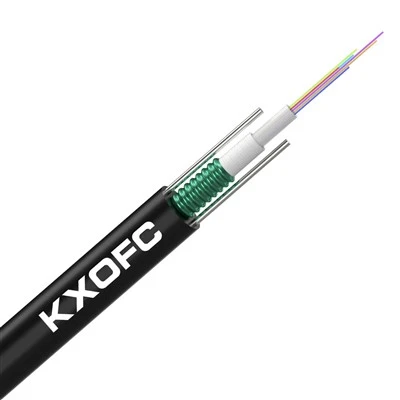
Our cables are designed to be easy to install, which means you can save time and money on the installation process. And if you have any questions or need any support during the installation, our technical team is always ready to help.
Fig.8 Self-support Optical Fiber Cable If you’re in the market for Optical Fiber Composite Low – voltage Cables, I’d love to talk to you. Whether you’re working on a small project or a large – scale industrial application, we can provide you with the right cable for your needs. Just reach out to us, and we can discuss your requirements and come up with a solution that works for you.
References
- "Fiber – Optic Communication Systems", by Govind P. Agrawal.
- "Electrical Installation Handbook", by Schneider Electric.
- Manufacturer’s manuals for the cable, electrical equipment, and optical equipment.
Hangzhou Lin’an Kexin Optical Cable Co., Ltd.
As one of the most professional optical fiber composite low-voltage cable manufacturers and suppliers in China, we’re featured by quality products and good price. Please rest assured to wholesale discount optical fiber composite low-voltage cable made in China here and get pricelist from our factory. Customized orders are welcome.
Address: No. 28 Linglong Street,Lin’an Area, Hangzhou City, Zhejiang Province, China
E-mail: sales@kexincable.com
WebSite: https://www.kexincable.com/
