Hey there! I’m a supplier of flexible pallets, and today I wanna chat about whether these handy things can be used in the agricultural industry. It’s a question I get asked a lot, so I thought I’d dive deep into it and share my thoughts. Flexible Pallet
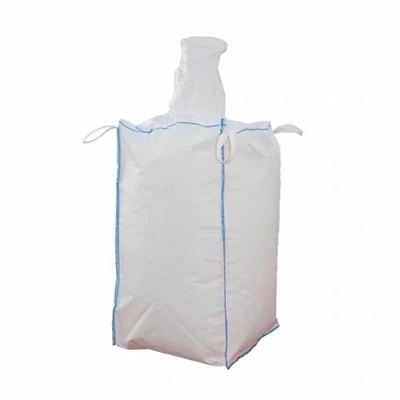
First off, let’s talk about what flexible pallets are. They’re basically pallets made from materials that can bend or flex a bit. Usually, they’re made of things like plastic, fabric, or some other flexible polymers. Unlike traditional wooden pallets, they’re lightweight, easy to handle, and can be stored more efficiently.
Now, let’s look at the agricultural industry. It’s a huge sector that deals with all sorts of products, from grains and fruits to livestock feed and fertilizers. And when it comes to storing and transporting these products, having the right pallets is super important.
One of the big advantages of using flexible pallets in agriculture is their durability. In the agricultural world, products can be heavy and bulky, and traditional pallets can sometimes break or get damaged during handling. Flexible pallets, on the other hand, can withstand a lot of weight and stress without cracking or splitting. For example, if you’re dealing with large bags of grain or fertilizer, flexible pallets can support the weight evenly and keep the products stable during transportation.
Another benefit is their hygiene. In agriculture, keeping things clean is crucial to prevent the spread of diseases and pests. Wooden pallets can absorb moisture, which can lead to mold and bacteria growth. Flexible pallets, however, are easy to clean and sanitize. You can just wipe them down with a disinfectant, and they’re good to go. This makes them a great choice for storing fresh produce or other food products.
Flexible pallets are also very cost – effective. They’re usually cheaper to buy than traditional pallets, especially in the long run. Since they’re more durable, you don’t have to replace them as often. Plus, their lightweight nature means you can save on transportation costs. You can fit more products on a truck or a shipping container because the pallets themselves don’t add too much extra weight.
But it’s not all sunshine and rainbows. There are a few challenges when it comes to using flexible pallets in agriculture. One issue is the limited temperature range. Some flexible materials can become brittle in cold temperatures or warp in hot weather. This can be a problem if you’re storing or transporting products in extreme climates. For instance, if you’re shipping fruits in a hot summer or grains in a cold winter, you need to make sure the pallets can handle the temperature.
Another challenge is the lack of standardization. There aren’t as many industry standards for flexible pallets as there are for wooden pallets. This can make it a bit tricky for farmers and agricultural businesses to choose the right pallets for their needs. They might not be sure what size, weight capacity, or material is best for their products.
However, I really believe that these challenges can be overcome. We’re constantly working on developing new materials and designs that can handle different temperature conditions. And as more companies start using flexible pallets, there will likely be more industry standards in the future.
Let’s take a look at some real – world examples. In the fruit and vegetable industry, flexible pallets have been a game – changer. They’re used to transport everything from apples and oranges to strawberries and tomatoes. Because they’re lightweight, they reduce the risk of bruising the delicate fruits during transportation. And their smooth surface makes it easier to stack the produce neatly, maximizing the use of space in the shipping containers.
In the livestock feed industry, flexible pallets are also becoming popular. Feed bags can be heavy, and flexible pallets can support the weight without falling apart. Plus, they’re easy to clean after the feed is removed, which helps maintain a healthy environment for the animals.
When it comes to fertilizers, flexible pallets are a great option too. Fertilizers can be corrosive, and wooden pallets can get damaged over time. Flexible pallets, made of the right materials, are more resistant to corrosion, ensuring a longer lifespan.
So, can flexible pallets be used in the agricultural industry? Absolutely! They offer a lot of benefits in terms of durability, hygiene, and cost – effectiveness. Sure, there are some challenges, but with the right research and product development, these can be addressed.
If you’re in the agricultural industry and looking for a better way to store and transport your products, I’d highly recommend considering flexible pallets. They can really make your operations more efficient and cost – effective.
I’m always here to help. If you have any questions about our flexible pallets or if you’re interested in a quote, just reach out. We can have a chat, figure out what your specific needs are, and see how our products can fit into your agricultural business.

Let’s have a conversation and see if flexible pallets are the right fit for you. I’m excited to work with you and help your agricultural business thrive!
Aluminum Foil Bag References
- Agricultural Logistics Handbook
- Journal of Agricultural Supply Chain Management
- Research on Packaging Materials in Agriculture
Heze Jinniu Plastics Co., Ltd.
As one of the most professional flexible pallet manufacturers in China, we have world-leading production equipment and strong manufacturing capabilities. Please rest assured to wholesale bulk high quality flexible pallet for sale here from our factory.
Address: South section of Renmin Road, Heze City, Shandong Province
E-mail: lishaobin2379@163.com
WebSite: https://www.jnbulkbags.com/
