Hey there! As a supplier of industrial hydraulic systems, I’ve been in the thick of it, dealing with all sorts of projects and clients. And let me tell you, one question that comes up a lot is about the quality standards for these systems. So, I thought I’d take a crack at breaking it down in a way that’s easy to understand. Industrial Hydraulic Systems
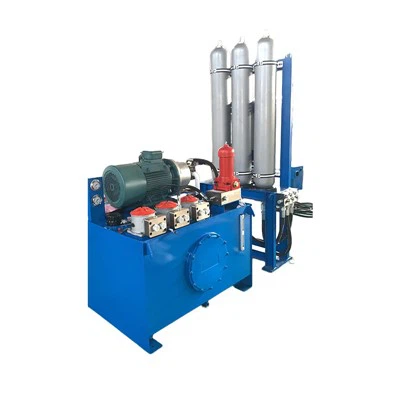
First off, what exactly is an industrial hydraulic system? Well, in a nutshell, it’s a system that uses pressurized fluid to transmit power and control machinery. You’ll find these systems in all kinds of industries, from manufacturing and construction to agriculture and transportation. They’re super important because they can handle heavy loads, provide precise control, and work in harsh environments.
Now, onto the quality standards. There are a bunch of factors that go into defining the quality of an industrial hydraulic system. Let’s start with the components.
Component Quality
Pumps
Pumps are the heart of any hydraulic system. They’re responsible for moving the fluid through the system. High – quality pumps should have a long lifespan, be efficient at converting mechanical energy into hydraulic energy, and have a low noise level. For example, a good pump should have tight tolerances in its internal components. That way, it can maintain a consistent flow rate and pressure without a lot of leakage. The materials used in the pump are also crucial. Stainless steel or high – grade alloy components can resist corrosion and wear, which is especially important if the system is going to be used in a tough environment.
Valves
Valves control the flow, pressure, and direction of the fluid in the hydraulic system. A quality valve should open and close precisely when it’s supposed to. It should also be able to handle high pressures without leaking or failing. For instance, in a system where you need to control the speed of a hydraulic cylinder, a well – made proportional valve can give you very accurate control. The valve’s body should be made of strong, durable materials, and its seals should be able to withstand the fluid’s temperature and chemical properties.
Cylinders
Cylinders are used to convert the hydraulic energy into linear motion. They need to be able to handle high loads and repeated cycles without wearing out. The cylinder’s barrel should be made of a high – strength material with a smooth inner surface. This ensures that the piston can move freely and that there’s minimal friction. The seals on the piston and rod are also vital. They prevent fluid from leaking out and keep contaminants from getting in. A good cylinder will have seals that are designed to last a long time and can adapt to changes in temperature and pressure.
Hoses and Fittings
Hoses carry the fluid from one component to another, and fittings connect the hoses to the components. High – quality hoses should be able to withstand high pressures, repeated bending, and exposure to different fluids and environmental conditions. They should also have good flexibility to make installation easier. The fittings need to create a tight and reliable connection. They should be made of materials that are resistant to corrosion and have a proper sealing mechanism to prevent leaks.
System Design
The design of the industrial hydraulic system is just as important as the quality of its components. A well – designed system should:
Be Efficient
It should use the least amount of energy possible to achieve the desired output. This means that the pump, valves, and other components should be sized correctly and work together in the most efficient way. For example, using a variable – displacement pump can adjust the flow rate according to the system’s needs, which saves energy compared to a fixed – displacement pump.
Have Good Heat Dissipation
Hydraulic systems generate heat when the fluid is forced through the components. If the heat isn’t dissipated properly, it can cause the fluid to break down and reduce the efficiency and lifespan of the components. A good system design will include a heat exchanger or other cooling mechanisms to keep the fluid temperature within a safe range.
Be Reliable
It should be able to operate continuously without frequent breakdowns. This requires careful consideration of factors like the layout of the components, the type of fluid used, and the maintenance requirements. For instance, arranging the components in a way that makes them easy to access for maintenance can reduce downtime.
Fluid Quality
The quality of the hydraulic fluid is another key aspect. The fluid serves several functions, such as transferring power, lubricating the components, and dissipating heat.
Viscosity
The viscosity of the fluid needs to be appropriate for the system. If it’s too thick, the pump will have to work harder to move the fluid, which can lead to increased energy consumption and wear on the components. If it’s too thin, it won’t provide enough lubrication and can cause leaks.
Cleanliness
The fluid should be free of contaminants like dirt, metal particles, and water. Contaminants can cause abrasion, corrosion, and clogging of the components. To keep the fluid clean, a good hydraulic system will have a filtration system that removes these impurities.
Chemical Stability
The fluid should be chemically stable and not react with the components or break down under normal operating conditions. This ensures that the fluid maintains its properties over time and doesn’t cause damage to the system.
Testing and Certification
Before an industrial hydraulic system is ready to be shipped to a customer, it needs to go through a series of tests.
Performance Testing
This includes testing the system’s flow rate, pressure, and efficiency. The system should meet the specified performance criteria. For example, if a system is designed to provide a certain amount of force to lift a heavy object, it should be able to do so reliably.
Leak Testing
All the connections and components should be checked for leaks. Even a small leak can lead to a loss of efficiency and can cause damage to the surrounding environment.
Endurance Testing
The system should be run for an extended period of time to ensure that it can withstand the rigors of continuous operation. This helps to identify any potential problems before the system is put into real – world use.
In addition to these in – house tests, many hydraulic systems are also certified by independent organizations. These certifications serve as a guarantee that the system meets certain industry – wide quality standards.
Why Quality Standards Matter for You
As a buyer, you might be wondering why all these quality standards are important. Well, here are a few reasons:
Reliability
A high – quality hydraulic system is less likely to break down, which means less downtime for your operations. This can save you a lot of money in the long run.
Safety
A system that meets the quality standards is designed to operate safely. It reduces the risk of accidents due to component failure or leaks.
Efficiency
A well – made system uses energy more efficiently, which can lower your operating costs.
Longevity
Quality components and a good design mean that the system will last longer. You won’t have to replace it as often, which is another cost – saving benefit.

If you’re in the market for an industrial hydraulic system, I’d love to have a chat with you. We’ve got a wide range of high – quality systems that meet all the standards I’ve talked about. Whether you need a custom – designed system for a specific application or a standard off – the – shelf solution, we can help. Just reach out, and let’s discuss your requirements. We’ll work with you to find the best hydraulic system for your needs.
References
- "Hydraulic Systems Handbook" – A comprehensive guide on hydraulic system design and operation.
- Industry standards documents from organizations like ISO (International Organization for Standardization) and NFPA (National Fluid Power Association).
Hydraulic Cylinder That’s all for now. I hope this blog has given you a better understanding of the quality standards for industrial hydraulic systems. Looking forward to hearing from you!
Wuhu Zhongye Fluid Equipment Co., Ltd.
We are one of the most experienced industrial hydraulic systems manufacturers and suppliers in China, specialized in providing high quality customized products. Please feel free to wholesale bulk durable industrial hydraulic systems in stock here from our factory. Contact us for quotation.
Address: No. 2, Hexing Road, Sanshan District, Wuhu City, Anhui Province
E-mail: zhongyehydro20@163.com
WebSite: https://www.zhongyehydro.com/
