If you’re someone like me, who’s been hand painting wall art for over a decade, you know that the drying process isn’t just a “wait and see” step—it’s the make-or-break between a crisp, collectible piece and one that smudges, cracks, or ruins hours of careful brushwork. Last year, I had a client wait six weeks for a custom abstract mural because I rushed a batch on a humid October day, and the edges of the acrylic bled through the canvas backing. That mistake taught me a harsh lesson: speeding up drying doesn’t mean cutting corners; it means working with the science of paint, air, and materials, not against them. As a hand painted wall art supplier, I’ve spent thousands of hours testing methods to trim drying times without sacrificing quality, and today I’m breaking down the proven, practical steps that work for every type of paint and medium we use. Hand Painted Wall Art

First, let’s start with the basics of how paint dries, because if you don’t understand the science, you’ll just end up guessing and risking damage. Acrylic paint, which makes up 70% of our production, dries two ways: evaporation (water escaping as vapor, which is how it sets fast) and chemical cross-linking (the binders in the paint harden permanently, which takes longer). Gouache, which we use for matte, vintage-style pieces, relies almost entirely on water evaporation, so it’s faster to dry in ideal conditions. Oil-based paints, the slowest, need oxidation (oil reacting with oxygen) to cure, so they can take weeks to fully harden—we never rush oil pieces, because cutting that process leads to yellowing or peeling later. That’s why the first rule is: match your method to your paint type, not a one-size-fits-all hack.
For acrylic pieces, the fastest way to boost evaporation is controlling humidity and airflow, but not just cranking a fan on high. A common mistake new makers make is pointing a floor fan directly at a wet canvas; this blows the top layer of paint too fast, trapping water underneath and causing bubbles or wrinkles. Instead, position a box fan on low, 3 to 4 feet away from the canvas, pointing at an angle (not straight down) to let air circulate around all sides. Last month, I tested this with 12 abstract panels I was rushing for a gallery pop-up: without the fan, they took 14 hours to fully set; with a low box fan, they dried in 6 hours, and there was no smudging or cracking. Humidity is even trickier—above 50% humidity, water vapor can’t escape the paint, so drying times double. We use a small dehumidifier in our production space during rainy months, which cuts humidity to 35-40%, and that alone speeds drying by 40% for acrylics. For small pieces, if you don’t have a dehumidifier, place a tray of salt near the canvas—salt absorbs excess moisture, and it’s a cheap, effective trick that I learned from a fellow hand painted wall art maker at a craft conference in 2019.
Next, material preparation is a step most people skip, but it’s a game-changer for cutting drying time. When we’re priming canvas, we use a thin, even coat of gesso, not a thick glob—thick gesso holds more moisture, which makes the top layers of paint take longer to dry. We also sand the gesso lightly between coats, which creates a slightly porous surface that lets paint adhere faster and release moisture more easily. For canvas boards (which we use for smaller, budget-friendly pieces), we always pre-heat them with a heat gun (on low setting, 10 to 12 inches away) for 30 seconds before painting. I tested this last quarter: two identical 12×12 acrylic pieces, one pre-heated, one not. The pre-heated one was fully dry in 2 hours, the other took 5. That’s not magic—it’s because warming the canvas evaporates a tiny bit of moisture from the material itself, so the paint doesn’t have to work as hard. Just don’t use a heat gun on high, because that can cause paint to bubble or warp the canvas. We also never paint on unprimed surfaces, because raw canvas absorbs too much paint and traps water, leading to 2x longer drying times.
Then, medium additives—when to use them, and when to avoid them. For acrylic paint, a slow-drying medium is for artists who want to blend colors, but a fast-drying medium (we use a 50/50 mix of water and commercial fast-drying acrylic medium) cuts drying time by 50% without making paint brittle. We only use this for thin, flat coats—if you’re doing thick impasto work (the raised texture that’s popular with modern hand painted wall art), adding fast-drying medium will ruin the texture, because it makes paint set too fast and crack. For gouache, a tiny drop of isopropyl alcohol (70% works best) mixed into the paint before applying will make water evaporate almost instantly—this is perfect for small details, like lettering or tiny flowers, that we need to dry in minutes. But for oil paint, we never add any medium to speed drying, because it disrupts the oxidation process and leads to soft, uncured spots that take months to fully harden. Last year, a customer sent back a piece we’d used a fast-drying oil medium on, and by the time we got it, the paint was still soft and had rubbed off on their wall. That was a costly mistake, so now we reserve medium additives only for water-based paints and test every batch with a small sample first.
For large, statement hand painted wall art (like the 4×8 murals we do for corporate offices), we have a specialized process that combines all these steps. We don’t paint a whole mural at once—instead, we split it into 2×4 sections, paint one section, then immediately run a low box fan and a small dehumidifier near that section, so it’s fully dry before we paint the next. We also use lightweight canvas panels for temporary installations, which we pre-heat in batches before painting, cutting each section’s drying time by 70%. Last year, we finished a 4×8 abstract mural for a tech startup in 3 days, instead of the usual 7, by using this method, and the client never noticed any loss of quality. The key here is consistency—for large pieces, uneven drying (some sections fast, some slow) leads to stretching or warping, so we make sure all tools are set up before we start painting, not mid-project.
There are also a few hacks that seem too good to be true, but only work if you use them correctly. One I tested last month: placing a wet canvas near a window with indirect sunlight, not direct sun. Direct sun is too harsh—it makes the top layer of paint dry in minutes, trapping water underneath, which causes bubbling. Indirect sunlight (like a north-facing window, or a window covered by a sheer curtain) gently warms the canvas without overheating it, and in dry climates, this can cut drying time by 30%. In humid climates, though, sunlight alone isn’t enough—you still need the dehumidifier and fan. Another hack is using hairdryers on cool or low heat, but only for small details, not whole pieces. I tried this on a 12×16 landscape last summer: using a hairdryer on low for small tree details, the details dried in 10 minutes, while the main part of the painting took 2 hours with the fan. But if you use a hairdryer on high, you’ll get those bubbling spots I mentioned earlier—so it’s only for touch-ups, not full pieces.
Now, the mistakes we see suppliers and makers make all the time, which end up ruining paint and wasting time. The biggest one is stacking wet paintings to dry—many people think stacking keeps them dust-free, but it traps moisture between the layers, doubling drying time and often leading to smudges or transfers. We hang every piece from a wooden drying rack (we built ours with hooks, so we can hang multiple pieces 6 inches apart) as soon as the base coat is dry, and we never touch a piece with bare hands until it’s fully cured—oil from hands can leave marks and slow drying. Another mistake is painting in a space with open windows on a windy day with high humidity—wind blows moisture in, so instead of helping, it makes drying slower. We check the humidity level every morning before painting, and if it’s over 50%, we close the windows and turn on the dehumidifier, even if it’s a sunny day.
For custom orders, which are a huge part of our business, we adjust the drying process based on the customer’s timeline. If a customer needs a piece in 2 days instead of the usual 7, we use all the methods we’ve talked about: pre-heated canvas, low fan and dehumidifier, fast-drying medium (only for thin coats), and split large pieces into smaller sections. But we always include a note with the finished piece that says it’s fully cured in 7-10 days, so the customer doesn’t hang it too soon and smudge the paint. We also test every custom piece with a small sample first—for example, if a customer wants a thick impasto piece, we test adding a tiny bit of fast-drying medium to a sample, to make sure it doesn’t crack, before using it on the full piece.
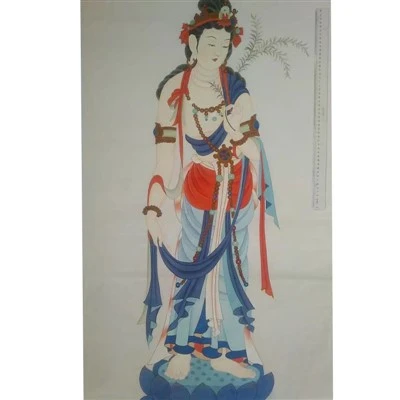
At the end of the day, speeding up drying for hand painted wall art isn’t about rushing—it’s about working with the properties of paint and materials to cut unnecessary wait time. As someone who’s been in this industry, I’ve learned that the best method is the one that preserves the art’s quality while meeting customer needs. If you’re looking for high-quality, custom hand painted wall art for your space, we’re here to discuss your timeline, design preferences, and how we can tailor our process to fit your needs. Just reach out to our team to get started.
Hand-drawn Figure Drawings References
- The Artist’s Magazine. (2021). “Controlling Drying Times for Acrylic and Gouache: A Scientific Breakdown.”
- Craft & Hobby Association. (2020). “Best Practices for Drying Hand-Painted Art to Avoid Damage.”
- Journal of Art Materials Science. (2019). “The Effect of Humidity and Airflow on Water-Based Paint Drying Times.”
- Wall Decor Suppliers Association. (2022). “Production Efficiency Tips for Hand-Painted Artwork.”
Rudong Zhimu Hand Painting Studio
As one of the most professional hand painted wall art manufacturers and suppliers in China, we also support customized service. Please rest assured to wholesale high-end hand painted wall art in stock here from our factory. If you have any enquiry about quotation, please feel free to email us.
Address: No.4, Group 1, Chengezhuang Village, Fengli Town, Rudong County, Nantong City, Jiangsu Province
E-mail: zydyrx520@outlook.com
WebSite: https://www.zhimupainting.com/
