As a provider of medical adhesives in the industry, I’ve witnessed firsthand the remarkable versatility and innovation of these products. Medical adhesives play a crucial role in various medical applications, from wound closure and surgical procedures to the attachment of medical devices. One of the most fascinating aspects of medical adhesives is their ability to adhere to different materials. In this blog post, I’ll take a deep dive into the science behind how medical adhesives bond with various substrates and explore the key factors that influence their adhesion. Medical Adhesive
The Basics of Adhesion
Before delving into the adhesion mechanisms of medical adhesives, it’s essential to understand the fundamental principles of adhesion. Adhesion is the process by which two materials stick together. It involves the interaction between the adhesive and the substrate (the material to which the adhesive is applied). There are several types of forces that can contribute to adhesion, including:
- Mechanical Interlocking: This occurs when the adhesive flows into the pores or irregularities on the surface of the substrate, creating a physical bond similar to a lock – and – key mechanism. For example, porous materials like certain types of wound dressings can provide excellent mechanical interlocking sites for adhesives.
- Chemical Bonding: Chemical bonds, such as covalent, ionic, or hydrogen bonds, can form between the adhesive molecules and the molecules on the substrate surface. These bonds are strong and can provide long – lasting adhesion. Some medical adhesives are designed to form chemical bonds with specific functional groups on the substrate, such as proteins in biological tissues.
- Physical Adsorption: Physical forces, such as van der Waals forces and electrostatic forces, can cause the adhesive molecules to adhere to the substrate surface. Van der Waals forces are weak intermolecular forces that act over short distances, while electrostatic forces can arise from the attraction between charged particles on the adhesive and the substrate.
Adhering to Biological Tissues
One of the most critical applications of medical adhesives is in bonding to biological tissues, such as skin, muscle, and internal organs. Adhesion to biological tissues is a complex process that is influenced by several factors:
- Tissue Surface Properties: The surface of biological tissues is complex and has unique properties. It is often covered with a layer of cells, proteins, and other biomolecules that can affect the adhesion of the adhesive. For example, the presence of moisture on the skin or in the body can influence the adhesion process. Some medical adhesives are formulated to interact with the moisture on the tissue surface to form a strong bond, while others need to displace the moisture to adhere properly.
- Biocompatibility: Medical adhesives used in tissue bonding must be biocompatible, meaning they do not cause harm or an adverse reaction in the body. Biocompatibility is crucial to ensure the safety and effectiveness of the adhesive. Adhesives that are not biocompatible can trigger an immune response, leading to inflammation, tissue damage, or other complications. To ensure biocompatibility, medical adhesives are often made from materials such as synthetic polymers or natural substances like proteins and carbohydrates that are well – tolerated by the body.
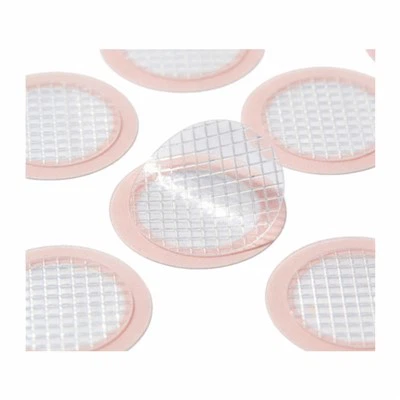
- Adhesive Formulation: The formulation of the medical adhesive plays a significant role in its ability to adhere to biological tissues. Adhesives can be formulated as liquids, gels, or solids, each with its own advantages and limitations. Liquid adhesives can flow easily and penetrate the tissue surface, providing good mechanical interlocking. Gel adhesives are often more viscous and can conform to the shape of the tissue, providing a more uniform bond. Solid adhesives, such as films or patches, can be applied directly to the tissue surface and provide a stable bond.
Adhering to Medical Devices
Medical adhesives are also widely used to attach medical devices to biological tissues or other materials. Adhesion to medical devices involves a different set of considerations compared to tissue adhesion:
- Device Material Compatibility: Medical devices can be made from a variety of materials, including metals, plastics, ceramics, and composites. The adhesive must be compatible with the device material to ensure a strong bond. Different materials have different surface energies, which can affect the wetting and spreading of the adhesive on the device surface. For example, metals typically have high surface energies, making them relatively easy to bond with adhesives, while plastics often have low surface energies and may require surface treatment to improve adhesion.
- Sterilization Compatibility: Medical devices and adhesives must be sterilized before use to prevent the spread of infection. The adhesive must be able to withstand the sterilization process without losing its adhesion properties. Common sterilization methods include steam sterilization, ethylene oxide sterilization, and gamma irradiation. Each sterilization method has its own requirements and can affect the adhesive’s performance. For example, some adhesives may degrade or lose their adhesion strength when exposed to high temperatures during steam sterilization.
- Environmental Conditions: Medical devices are often used in different environmental conditions, such as in the body or in a clinical setting. The adhesive must be able to maintain its adhesion strength under these conditions. Factors such as temperature, humidity, and mechanical stress can all affect the adhesion of the adhesive to the device. For example, adhesives used in implants must be able to withstand the physiological conditions in the body, including the presence of body fluids and mechanical forces.
Factors Affecting Adhesion Strength
In addition to the substrate properties and adhesive formulation, several other factors can affect the adhesion strength of medical adhesives:
- Surface Preparation: Proper surface preparation is crucial for achieving strong adhesion. The substrate surface must be clean, dry, and free of contaminants such as oils, dirt, and debris. Surface cleaning methods can include solvent cleaning, abrasion, or plasma treatment. Surface treatment can also be used to modify the surface properties of the substrate, such as increasing its surface energy or creating reactive groups for chemical bonding.
- Curing Process: Many medical adhesives require a curing process to achieve their full adhesion strength. The curing process can be initiated by heat, light, moisture, or a chemical reaction. The curing time and conditions can affect the adhesion strength and the final properties of the adhesive. For example, some adhesives may require a specific temperature and humidity range during curing to ensure optimal adhesion.
- Adhesive Thickness: The thickness of the adhesive layer can also affect the adhesion strength. A too – thin adhesive layer may not provide enough bonding area, while a too – thick layer may lead to reduced mechanical properties and increased stress concentrations. The optimal adhesive thickness depends on the type of adhesive, the substrate material, and the application requirements.
Conclusion
Understanding how medical adhesives adhere to different materials is essential for developing effective and safe medical products. By considering the substrate properties, adhesive formulation, and various factors that affect adhesion strength, we can design medical adhesives that meet the specific needs of different applications.

As a medical adhesive supplier, we are committed to providing high – quality adhesives that offer excellent adhesion to a wide range of materials. Our products are carefully formulated and tested to ensure biocompatibility, sterilization compatibility, and long – lasting adhesion. Whether you are looking for an adhesive for wound closure, surgical procedures, or medical device attachment, we have the expertise and solutions to meet your requirements.
Medical Hydrogel Adhesive If you are interested in learning more about our medical adhesives or discussing your specific needs, please feel free to contact us. We would be delighted to engage in procurement discussions and help you find the best adhesive solution for your medical applications.
References
- Adhesive Bonding in Biomedical Engineering: Principles and Practice, by Bertold Haas and Ignacio Cañón – Cid.
- Handbook of Medical Adhesives, edited by Steve Lombardi.
- Journal of Adhesion Science and Technology, various issues related to medical adhesives and adhesion mechanisms.
Shenzhen Omori Biological Technology Co., Ltd.
We’re well-known as one of the leading medical adhesive manufacturers and suppliers in China. We warmly welcome you to wholesale high quality medical adhesive made in China here from our factory. If you have any enquiry about customized service, please feel free to email us.
Address: Floor4, No43, Langkou Industrial park, Dalang Street, Longhua District, Shenzhen City, Guangdong Province, China
E-mail: wya@omorimed.com
WebSite: https://www.omorimed.com/
