As a seasoned supplier of flour processing equipment, I’ve witnessed firsthand the challenges that millers encounter when operating these machines. Over the years, I’ve gathered invaluable insights into the common mistakes made during operation, which can lead to reduced efficiency, increased downtime, and even diminished product quality. In this blog post, I’ll share these insights to help you avoid these pitfalls and optimize your flour processing operations. Flour Processing Equipment
1. Neglecting Regular Maintenance
One of the most prevalent mistakes in operating flour processing equipment is neglecting regular maintenance. Flour mills are complex systems with numerous moving parts, and without proper upkeep, these components can wear out quickly, leading to breakdowns and costly repairs. For instance, conveyor belts, which are crucial for transporting grain and flour throughout the mill, can become misaligned or damaged if not inspected and maintained regularly. This can result in material spillage, reduced throughput, and even safety hazards.
Similarly, the grinding mechanisms in flour mills, such as rollers and stones, require frequent cleaning and adjustment to ensure optimal performance. Over time, these components can accumulate debris and wear down, affecting the fineness and quality of the flour produced. By implementing a comprehensive maintenance schedule that includes regular inspections, lubrication, and replacement of worn parts, you can extend the lifespan of your equipment and minimize the risk of unexpected breakdowns.
2. Improper Installation and Setup
Another common mistake is improper installation and setup of flour processing equipment. Each piece of machinery is designed to operate within specific parameters, and any deviation from these specifications can lead to suboptimal performance. For example, incorrect alignment of rollers in a roller mill can result in uneven grinding, producing flour with inconsistent particle sizes. This not only affects the quality of the final product but also reduces the efficiency of the milling process.
Furthermore, improper ventilation and dust collection systems can pose serious health and safety risks in a flour mill. Flour dust is highly combustible, and in the presence of an ignition source, it can cause explosions. Therefore, it is essential to ensure that your equipment is installed in accordance with the manufacturer’s recommendations and that all safety features, such as dust collectors and explosion vents, are properly installed and maintained.
3. Overloading the Equipment
Overloading flour processing equipment is a mistake that can have severe consequences. Many millers are tempted to push their machines beyond their rated capacity in an effort to increase production. However, this can lead to excessive wear and tear on the equipment, overheating, and even mechanical failure. For example, overloading a grain cleaner with too much material can cause the machine to clog, reducing its efficiency and potentially damaging the cleaning mechanisms.
Similarly, overloading a flour sifter can result in poor separation of the flour, leading to a lower-quality product. To avoid overloading your equipment, it is important to understand its rated capacity and operate it within these limits. If you need to increase production, consider investing in additional equipment or upgrading your existing machinery to handle the increased load.
4. Inadequate Operator Training
The importance of operator training cannot be overstated when it comes to operating flour processing equipment. Many operators are often given minimal training on how to use the machines properly, which can lead to errors and inefficiencies. For example, an operator who is not trained to adjust the settings on a roller mill correctly may produce flour with an inconsistent texture and quality.
In addition, operators who are not familiar with the safety procedures associated with the equipment may be at risk of injury. Proper training should include not only how to operate the equipment but also how to perform basic maintenance tasks, troubleshoot common problems, and follow safety protocols. By investing in comprehensive operator training, you can improve the efficiency and safety of your flour processing operations.
5. Ignoring Quality Control Measures
Quality control is crucial in the flour processing industry, yet many millers overlook this aspect of their operations. Failing to implement proper quality control measures can result in the production of substandard flour, which can lead to customer complaints and loss of business. For example, not monitoring the moisture content of the flour can cause it to spoil quickly or become clumpy, affecting its usability.
In addition, ignoring the protein content and ash content of the flour can result in a product that does not meet the specifications of your customers. To ensure the quality of your flour, it is important to implement a comprehensive quality control program that includes regular testing of the raw materials, in-process samples, and finished products. This will allow you to identify and address any quality issues before they become major problems.
6. Using Low-Quality Raw Materials
The quality of the raw materials used in flour processing has a direct impact on the quality of the final product. Using low-quality grains that are contaminated with foreign matter, pests, or mold can result in flour that is of inferior quality and may even pose health risks. For example, grains that are high in moisture content can cause the flour to become moldy, while grains that are contaminated with pesticides or heavy metals can be harmful to consumers.
To ensure the quality of your flour, it is important to source your raw materials from reputable suppliers and to conduct thorough inspections before using them in your processing operations. This will help you to identify and reject any low-quality grains and ensure that only the best raw materials are used in the production of your flour.
7. Poor Record-Keeping
Effective record-keeping is essential for managing a flour processing operation. Many millers fail to keep accurate records of their production processes, maintenance activities, and quality control results, which can make it difficult to identify problems and make informed decisions. For example, without proper records, it can be challenging to determine the cause of a quality issue or to track the performance of a particular piece of equipment over time.
By maintaining detailed records of your operations, you can identify trends, track the effectiveness of your maintenance and quality control programs, and make data-driven decisions to improve your processes. This will not only help you to optimize your production but also ensure compliance with regulatory requirements.
8. Lack of Adaptability to Changing Conditions
The flour processing industry is constantly evolving, and millers need to be able to adapt to changing market conditions, technological advancements, and regulatory requirements. Many millers make the mistake of sticking to old, traditional methods and are reluctant to embrace new technologies or processes. This can result in a loss of competitiveness and a failure to meet the changing needs of their customers.
For example, the increasing demand for whole grain flour and specialty flours requires millers to invest in new equipment and processes to produce these products. Millers who fail to adapt to these trends may find themselves losing market share to more innovative competitors. To stay competitive in the industry, it is important to be open to change and to invest in research and development to improve your processes and products.
In conclusion, avoiding these common mistakes when operating flour processing equipment can significantly improve the efficiency, productivity, and quality of your operations. By implementing a comprehensive maintenance program, ensuring proper installation and setup, operating the equipment within its rated capacity, providing adequate operator training, implementing quality control measures, using high-quality raw materials, keeping accurate records, and being adaptable to changing conditions, you can optimize your flour processing operations and achieve greater success in the industry.
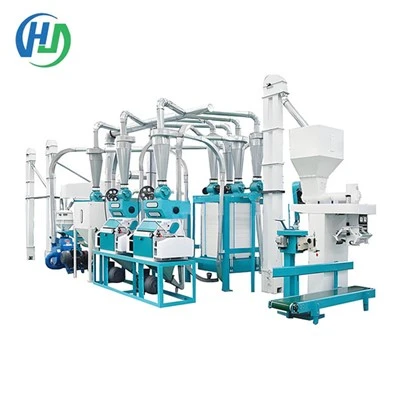
If you’re looking to upgrade your flour processing equipment or need guidance on how to avoid these common mistakes, I’d be more than happy to help. Our team of experts has extensive experience in the flour processing industry and can provide you with customized solutions to meet your specific needs. Contact us today to start a conversation about how we can help you take your flour processing operations to the next level.
Combined Cleaning Sieve References
- "Flour Milling Technology" by R. C. Hoseney
- "Handbook of Cereal Science and Technology" by K. J. Baik and R. C. Hoseney
- Industry publications from the International Association of Operative Millers (IAOM)
Henan Huinong Machinery Co., Ltd.
Henan Huinong Machinery Co., Ltd. is one of the most professional flour processing equipment manufacturers and suppliers in China, featured by quality products and low price. Please rest assured to buy discount flour processing equipment from our factory. We also accept customized orders.
Address: No. 6, Northeast Corner of the Intersection of Renmin Road and Zhujiang Road, New District, Huaxian County, Henan Province
E-mail: frank.tang@huinongmachinery.com
WebSite: https://www.huinongmachinery.com/
