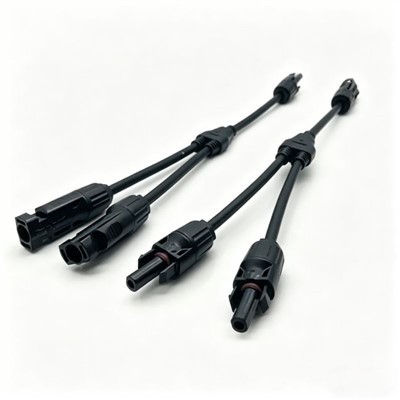
As a seasoned supplier of branch connectors, I’ve witnessed firsthand the crucial role these components play in various industries. Branch connectors are essential for electrical and electronic systems, enabling the distribution of power and signals from a main trunk to multiple branch circuits. In this blog, I’ll delve into the different types of branch connectors, their applications, and what makes each type unique. Branch Connectors
1. Wago – style Push – in Connectors
One of the most popular types of branch connectors in the market today is the Wago – style push – in connector. These connectors are known for their simplicity and ease of use. They operate on a spring – clamp principle, where the wire is inserted into a small opening, and the spring inside grips the wire securely.
The main advantage of Wago – style push – in connectors is their speed of installation. Electricians can connect wires in a matter of seconds without the need for tools like screwdrivers. This not only saves time but also reduces the risk of improper connections due to human error during the installation process.
They are suitable for a wide range of applications, including residential electrical wiring, where they can be used to connect lighting fixtures, switches, and outlets. In commercial settings, they are often used in control panels and building automation systems. However, it’s important to note that these connectors may not be suitable for high – vibration environments, as the spring – clamp may loosen over time.
2. Splicing Connectors with Solderless Terminals
Splicing connectors with solderless terminals are another common type of branch connector. These connectors typically use a crimping process to attach the wire to the connector. The crimping action deforms the metal of the connector around the wire, creating a secure electrical connection.
One of the benefits of splicing connectors with solderless terminals is their reliability. The crimped connection provides a low – resistance path for electrical current, which is crucial for efficient power and signal transmission. They are also resistant to environmental factors such as moisture and corrosion, making them ideal for outdoor and industrial applications.
For example, in the automotive industry, these connectors are used to splice wires in the vehicle’s electrical system. They can withstand the harsh conditions under the hood, including high temperatures and vibrations. In the telecommunications industry, they are used to connect data cables, ensuring stable signal transmission.
3. Insulation – Displacement Connectors (IDCs)
Insulation – displacement connectors (IDCs) are a unique type of branch connector that offers a quick and reliable way to connect wires without the need to strip the insulation. When the wire is inserted into an IDC, sharp blades inside the connector cut through the insulation and make contact with the conductor.
The main advantage of IDCs is their time – saving installation process. Since there is no need to strip the insulation, the installation can be completed much faster compared to other types of connectors. They are also suitable for mass – production applications, as they can be easily automated.
IDCs are commonly used in the telecommunications and computer networking industries. For example, in Ethernet cables, IDCs are used to terminate the wires at the ends of the cable, providing a reliable connection for data transmission. They are also used in printed circuit boards (PCBs) to connect other components.
4. Bolted Connectors
Bolted connectors are heavy – duty connectors that use bolts and nuts to create a secure connection between wires or busbars. These connectors are designed to handle high currents and are commonly used in industrial and power distribution applications.
The main advantage of bolted connectors is their high current – carrying capacity. They can handle large amounts of electrical current without overheating, making them suitable for applications such as power plants, electrical substations, and large – scale industrial machinery.
However, the installation of bolted connectors requires more time and effort compared to other types of connectors. Proper torque must be applied to the bolts to ensure a secure and reliable connection. If the bolts are not tightened correctly, it can lead to loose connections, which can cause overheating and potential safety hazards.
5. Plug – and – Play Connectors
Plug – and – play connectors are designed for easy and quick connection and disconnection. They typically consist of a male and a female part that can be easily mated and unmated. These connectors are commonly used in consumer electronics, such as computers, smartphones, and audio equipment.
The main advantage of plug – and – play connectors is their convenience. Users can easily connect and disconnect devices without the need for any special tools or technical knowledge. They also allow for easy replacement of components, which is important for maintenance and repair.
For example, in a computer system, plug – and – play connectors are used to connect peripherals such as keyboards, mice, and external hard drives. In audio systems, they are used to connect speakers, amplifiers, and audio sources.
Choosing the Right Branch Connector
When choosing a branch connector, several factors need to be considered. The first factor is the application requirements. For example, if the application requires a high – current connection, a bolted connector may be the best choice. If the installation needs to be quick and easy, a Wago – style push – in connector or an IDC may be more suitable.
The environment in which the connector will be used is also an important consideration. For outdoor or harsh – environment applications, connectors that are resistant to moisture, corrosion, and temperature extremes should be selected. In high – vibration environments, connectors with a secure locking mechanism are necessary to prevent loosening.
Cost is also a factor. Some connectors, such as bolted connectors, may be more expensive due to their heavy – duty construction and high – current – carrying capacity. On the other hand, Wago – style push – in connectors are relatively inexpensive and are often used in cost – sensitive applications.
Conclusion
As a supplier of branch connectors, I understand the importance of providing high – quality products that meet the diverse needs of our customers. Each type of branch connector has its own unique features and advantages, and choosing the right one is crucial for the success of any electrical or electronic system.
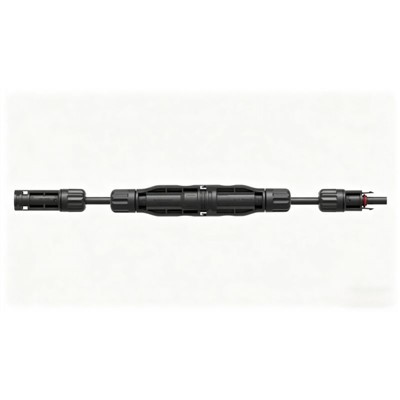
MC4 Branch Connector Whether you’re a professional electrician, an engineer, or a DIY enthusiast, having a good understanding of the different types of branch connectors will help you make the right choice for your project. If you’re in the market for branch connectors or have any questions about which type is best for your application, don’t hesitate to reach out. We’re here to provide you with the expertise and products you need for a successful project.
References
- Electrical Engineering Handbook, edited by Richard C. Dorf
- Handbook of Electronic Connectors and Interconnection, by John M. Miller
- National Electrical Code (NEC)
Tianjin Xilingke New Energy Technology Co., Ltd.
Address: Suite 2601, Tower B, Wanghai International, Haihe East Road, Hebei District, Tianjin, China.
E-mail: robin@sinelinkev.com
WebSite: https://www.sinelinkenergy.com/
