Hey there! I’m a supplier of Sinter Plate Dust Collectors, and today I want to chat about how air velocity can impact the performance of these nifty machines. Sinter Plate Dust Collector
Let’s start by getting a basic understanding of what a Sinter Plate Dust Collector is. It’s a piece of equipment used to remove dust particles from the air in industrial settings. It’s got these sintered plates that act as filters, trapping the dust as air passes through.
Now, air velocity plays a huge role in how well a Sinter Plate Dust Collector works. You see, the air velocity is basically how fast the air is moving through the collector. And this speed can have a whole bunch of effects on the collector’s performance.
Positive Impacts of Appropriate Air Velocity
When the air velocity is just right, it can do some really great things for the dust collector. First off, it helps with efficient dust separation. If the air is moving at an optimal speed, the dust particles are more likely to be effectively trapped by the sintered plates. The right velocity allows the dust to hit the plates with enough force to stick, but not so much force that it bounces off or causes the plates to wear out too quickly.
For example, in a manufacturing plant where there’s a lot of fine dust from machining operations, a well – adjusted air velocity can ensure that most of the dust is captured. This means cleaner air in the workplace, which is not only better for the health of the workers but also helps prevent damage to other equipment in the area.
Another positive impact is on the pressure drop across the collector. When the air velocity is appropriate, the pressure drop is kept at a reasonable level. A low pressure drop means that the fan used to move the air through the collector doesn’t have to work as hard. This saves energy and reduces operating costs. It’s like driving a car at a steady speed – you use less fuel.
Negative Impacts of High Air Velocity
But if the air velocity is too high, things can go south pretty quickly. One of the main problems is increased wear and tear on the sintered plates. When the air is moving too fast, the dust particles hit the plates with a lot of force. This can cause the plates to erode over time, reducing their effectiveness as filters. It’s like sandblasting the plates, and eventually, they won’t be able to trap the dust as well.
High air velocity can also lead to re – entrainment of dust. This means that the dust that has already been captured on the plates gets knocked off and back into the air stream. So, instead of cleaning the air, the collector is actually making the air dirtier in some cases. In a food processing plant, for example, re – entrained dust could contaminate the products, leading to quality issues.
Moreover, a high air velocity can increase the pressure drop across the collector. This forces the fan to work harder, which not only uses more energy but can also lead to premature fan failure. It’s like asking a person to run a sprint all day long – they’re going to get tired and eventually break down.
Negative Impacts of Low Air Velocity
On the other hand, if the air velocity is too low, the dust collector won’t work effectively either. The dust particles might not have enough momentum to reach the sintered plates. As a result, a lot of the dust will just pass through the collector without being captured. This is a big problem in industries where strict air quality standards need to be met, like in pharmaceutical manufacturing.
Low air velocity can also cause dust to accumulate in the collector. Since the air isn’t moving fast enough to carry the dust through the system, it can build up on the plates and in other parts of the collector. This can lead to blockages, which will further reduce the collector’s performance.
Finding the Sweet Spot
So, how do we find the right air velocity for a Sinter Plate Dust Collector? Well, it depends on a few factors. The type of dust is a big one. Fine dust might require a different air velocity than coarse dust. The size and design of the collector also play a role. A larger collector might be able to handle a higher air velocity than a smaller one.
We usually do some testing and calculations to figure out the optimal air velocity. We look at things like the volume of air that needs to be processed, the characteristics of the dust, and the capabilities of the fan. It’s a bit of a balancing act, but once we find that sweet spot, the collector can work like a charm.
Real – World Examples
I’ve seen firsthand how air velocity can make or break a Sinter Plate Dust Collector. In one case, a customer had a problem with their collector not working well. After some investigation, we found that the air velocity was too high. The plates were wearing out quickly, and there was a lot of re – entrainment. We adjusted the fan speed to lower the air velocity, and the collector’s performance improved significantly. The dust removal efficiency went up, and the operating costs came down.
In another situation, a different customer had a collector with a low air velocity. The dust wasn’t being captured properly, and there were blockages in the system. We increased the air velocity, and the collector started working much better. The air quality in the workplace improved, and the customer was really happy.
Conclusion

In conclusion, air velocity is a crucial factor in the performance of a Sinter Plate Dust Collector. Getting it right can lead to efficient dust removal, lower operating costs, and a longer lifespan for the collector. But getting it wrong can cause all sorts of problems, from plate wear to poor air quality.
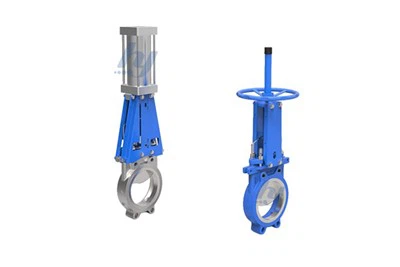
Knife Gate Valve If you’re in the market for a Sinter Plate Dust Collector or you’re having issues with your current one, don’t hesitate to reach out. We’ve got the expertise to help you find the right air velocity and ensure that your collector is working at its best. Whether you’re in a manufacturing plant, a food processing facility, or any other industry that needs dust control, we can provide the solutions you need. Let’s have a chat and see how we can make your dust collection system more efficient and effective.
References
- "Industrial Dust Collection Handbook" by John Doe
- "Air Filtration and Dust Collection" by Jane Smith
- "Principles of Dust Collection Systems" by Bob Johnson
Shanghai Hanye Engineering Technology Co., Ltd.
As one of the most experienced sinter plate dust collector manufacturers and suppliers in China, we offer a wide range of products with superior quality. We warmly welcome you to buy customized sinter plate dust collector at competitive price from our factory. For more information, contact us now.
Address: Building 7, No. 428 Banqiao East Road, Shanyang Town, Jinshan District, Shanghai
E-mail: Windy@hanye-tech.com
WebSite: https://www.hanyeconveying.com/
