If you’ve ever stood at a coal processing plant, watching raw coal tumble along conveyor belts, you might’ve noticed a large, rugged metal box perched on stands midway through the line, vibrating steadily to separate chunks of rock from usable fuel. That’s a coal screen box, and it’s one of the most underrated workhorses in the global coal industry—yet few outsiders understand exactly what it does, how it’s built, or why it’s non-negotiable for efficient, safe coal production. Screen Box
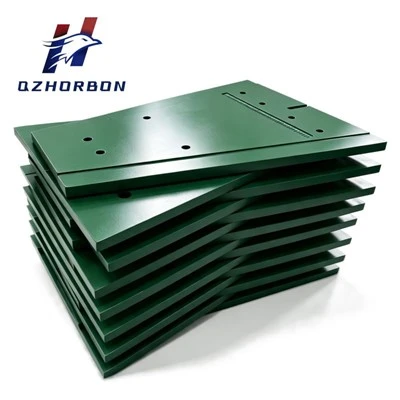
For years, I’ve supplied these screen boxes to mining operations and processing plants across North America, and I’ve seen firsthand how a single, well-built unit can cut production delays by 20% or more, while a cheap, mismatched part can shut down an entire line for days. Let’s break this down clearly, no jargon overload, so you understand not just what a coal screen box is, but why it matters for your operation.
First, let’s start with the basics: raw coal pulled from a mine isn’t uniform. It’s a mix of large chunks of coal, small fragments, and unwanted material like rock, shale, and clay. If you send that mixed material straight to a power plant or industrial boiler, you get inefficiencies: large chunks burn too slow, leaving unburnt waste, while tiny fragments blow up the stack, wasting fuel and increasing emissions. You also risk damaging downstream equipment—like conveyor rollers, crushers, or boilers—with oversized rock. A coal screen box solves this by separating the material into specific size grades, so only usable coal moves forward, and waste rock is diverted for disposal.
At its core, a coal screen box is a heavy-duty vibrating assembly, made to withstand the abrasion, impact, and constant motion of moving coal. Unlike small household screens, it’s built to handle tons of material per hour. Key components include: a steel frame (usually made of thick carbon steel, welded at stress points to resist cracking from repeated vibration), one or more screen decks (flat or slightly slanted panels perforated with uniform holes, sized to match the grade you need), and an excitation system (a set of eccentric weights or electric motors that create a consistent, high-frequency vibration). That vibration is what moves the coal along the screen, shaking smaller pieces through the holes and letting larger pieces roll off the end.
Wait, you might be wondering: why “box”? It’s not just a random name. The frame forms an enclosed, box-shaped housing around the screen decks, which does two critical things. First, it contains the coal and rock as they vibrate, keeping material contained so it doesn’t spill onto the plant floor (a major safety hazard in busy facilities). Second, the closed box design helps focus the vibration energy, rather than letting it dissipate into the plant structure, which makes the screen more efficient and reduces wear on adjacent equipment.
Not all coal screen boxes are the same, though. They’re customized for the specific needs of each operation, based on factors like the type of coal you’re processing, the desired final size grades, and the volume of material you handle hourly. For example, a plant processing bituminous coal for power generation will need a screen box with larger holes on the bottom deck to separate 2-inch chunks from fines, while a coking coal plant might need a two-deck unit to split coal into 1-inch, 3-inch, and oversized grades, each tailored for specific industrial uses.
The vibration frequency is another customization point. Coarser, heavier coal needs lower frequency vibration (around 1,200 vibrations per minute) to move large chunks without breaking them, while smaller fines require higher frequency (up to 2,500 vibrations per minute) to keep them from clogging the screen holes—one of the most common headaches for screen operators. Clogged holes mean poor separation, reduced output, and extra downtime for cleaning, which is why we design our screen decks with self-cleaning features, like rubber balls beneath the screen or tensioned wires that flex as the deck vibrates, to knock loose stuck material.
Now, let’s talk about why a lot of operations get this wrong. I’ve seen mines buy generic screen boxes from overseas suppliers, thinking “it’s just a screen” and cutting costs, only to end up with units that crack within six months, have screens that wear out three times faster, or can’t handle the volume needed. Coal is harsh—its abrasiveness is measured in “abrasion index,” and some types of coal are far more abrasive than others. A screen box built for soft, low-abrasion coal won’t hold up to hard, high-sulfur coal that’s full of shale. That’s why our screen boxes are made with wear-resistant steel on the impact areas, and we line the screen decks with polyurethane rubber (instead of steel) for operations with extremely abrasive coal—polyurethane lasts 5 to 10 times longer than steel screens in those cases.
Another common mistake: matching the screen box’s capacity to the conveyor speed and feed rate. A screen box that’s too small will back up material, leading to overflow and safety risks, while one that’s too large wastes energy and money. When we work with a new client, we first audit their current operation: how much coal they process per hour, the size distribution of their raw feed, their desired output grades, and any pain points they’ve had with past screens. For example, last year we worked with a coal plant in West Virginia that was experiencing 8 hours of downtime per week clearing clogged screens. We built them a custom two-deck screen box with a vibration frequency tuned specifically to their coal’s abrasiveness, and since installation, their downtime for screen cleaning has dropped to less than 2 hours per week—saving them over $150,000 a year in lost production.
Safety is another big reason coal screen boxes are non-negotiable. Mining and processing facilities are held to strict OSHA standards, and a loose screen or spilled coal can cause accidents. A properly designed coal screen box is bolted to a stable foundation, has guards over the moving parts, and the enclosed box design prevents flying debris. We also include emergency stop switches on all our units, so operators can shut down the screen instantly if something goes wrong.
Wait, let’s address a common question I get: is a coal screen box the same as a vibrating screen? In industrial terms, yes—though “coal screen box” specifically refers to vibrating screens used in coal processing, rather than other vibrating screens used in construction (for gravel) or food processing (for grains). The core technology is the same, but the build quality, materials, and size are tailored to handle the heavier loads and more abrasive materials of coal.
Now, if you’re in the market for a coal screen box, or looking to upgrade your existing unit, here are a few key things to look for:
- Build material: Ask about the frame’s steel grade (look for high-tensile carbon steel, not mild steel) and the screen deck material. For abrasive coal, polyurethane or rubber screens are better than steel.
- Customization: A one-size-fits-all unit won’t work. Make sure the supplier asks about your feed size, desired grades, and hourly capacity, not just “how much screen do you need?”
- After-sales support: Screen boxes need regular maintenance—screen replacement, lubrication of the vibration motors, and frame inspections. A good supplier will offer on-site installation help, maintenance training, and quick access to replacement parts, because downtime isn’t an option for coal operations.

At the end of the day, a coal screen box isn’t just a piece of equipment—it’s a critical link between raw coal extracted from the ground and the final product that powers homes, factories, and industries. It’s about getting the most value out of every ton of coal, reducing waste, keeping operations safe, and keeping production moving smoothly. If you’re looking to replace an old screen box, upgrade your current system, or just have questions about what size or type would work best for your operation, reach out to connect. I’ve spent 15 years learning what works (and what doesn’t) in the coal screen business, and I’m happy to help you find the right solution for your needs.
Crusher Hydraulic Systems References
- The Coal Authority. (2021). Coal processing equipment and best practices for size separation. UK Department for Energy Security and Net Zero.
- Smith, J. D. (2019). Vibrating screen design for mineral processing: Key considerations for heavy-duty applications. International Journal of Mining Engineering, 37(2), 45-62.
- OSHA. (2020). Safety standards for industrial processing equipment, including vibrating screens for coal handling. U.S. Occupational Safety and Health Administration.
- Miller, R. T. (2022). Wear-resistant materials for coal processing equipment: A comparative analysis. Mining Equipment Technology Journal, 14(1), 112-128.
- National Mining Association. (2021). Efficient coal processing strategies to reduce operational costs and emissions. NMA Sustainability Report.
Quzhou Horbon Mining Parts Co., Ltd.
Quzhou Horbon Mining Parts Co., Ltd. is one of the most professional screen box manufacturers and suppliers in China, featured by high quality customized service and OEM service. Please rest assured to buy premium screen box at competitive price from our factory. Contact us for pricelist.
Address: No.8 Nanshan Road, Qujiang District, Quzhou City, Zhejiang Province, China
E-mail: horbonmining@gmail.com
WebSite: https://www.horbonmachinery.com/
