Hey there, if you’re here hunting for a bathroom basin with a flawless smooth surface finish—chances are you’re either renovating your space, outfitting a property project, or just tired of that dull, rough basin that traps soap scum and looks scuffed after a few months. As a basin supplier who’s worked with folks across residential and commercial projects for years, I’ve seen way too many people pick a basin just for its shape or price, only to regret the finish later. A smooth surface isn’t just about looks— it’s how easy your basin is to clean, how long it holds up, and even if it feels luxe under your hands. So let’s break this down, no jargon, just straight-up stuff that actually works. Bathroom Basin
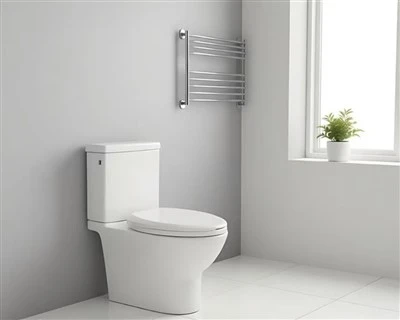
First off, let’s get one thing clear: “smooth surface” isn’t one-size-fits-all. It depends on what the basin is made of, right? Most basins these days fall into a few core materials, and each has its own rules for getting that perfect finish. Let’s start with porcelain, which is like 70% of the basins we sell. Porcelain gets its smoothness from a layer of glaze—thick, uniform glaze that’s fired at super high temps (around 2,200°F, for the curious). The problem? A lot of cheaper manufacturers cut corners here. They use thin glaze, fire it at too low a temp, or have tiny air bubbles in the glaze layer. How do you spot that? Grab a clean, dry cloth and run it all over the basin’s inner and outer surfaces. If you feel any little bumps, or if it catches the cloth a tiny bit, that’s a red flag. Good porcelain glaze should feel like a polished glass, no snags. And don’t just look at the top surface—check the inside edges, especially around the drain and the overflow hole. Those spots are where glaze is often thinnest, so they’re the first to get rough.
Then there’s solid surface, which is a big hit for modern bathrooms. Materials like Corian (wait, not that exact brand, but the general category) or cultured marble are made from a mix of acrylic resin and mineral fillers. The smoothness here comes from how well the resin is mixed and how it’s polished after molding. Cheap solid surface might have visible swirl marks from sanding, or even little pebbles of filler sticking out. To test this, hold a flashlight at a low angle (like you’re checking for dust) and run it across the surface. Any tiny lines or uneven glints? That’s not smooth. Also, solid surface needs to be buffed periodically, but a quality finish will stay smooth for years without fading or getting porous—porosity is the enemy, by the way, because it traps gunk that makes the surface rough over time.
Stone basins, like granite or marble vessel ones, are trickier. Natural stone isn’t uniformly smooth on its own—you have to seal and polish it. A lot of folks think a polished stone looks smooth, but if you run your hand over it, you might still feel tiny grain lines. Quality polished stone should have a consistent, even sheen, and no rough patches from cutting. Also, natural stone is porous, so a good sealer is non-negotiable. If the sealer is worn out, water or soap will sink into the pores, leave stains, and make the surface feel gritty.
Now, beyond the material, there are a few quick checks you can do in person (or over product photos, if you’re ordering online) to make sure that finish is actually smooth, not just marketed as such. First, the scratch test—no, don’t take a key to it, but you can use a plastic credit card edge (one you don’t need) and gently scrape across an inconspicuous spot, like the back of the basin. A smooth, good-quality finish won’t scratch easily, while a cheap one might leave a faint scuff. Then there’s the wipe test: we get so many complaints from customers who bought a basin that’s supposed to be smooth, but after a week of cleaning, their sponge catches every time. That’s almost always from a glaze or resin layer that wasn’t applied evenly. A real smooth finish should glide with no resistance.
Wait, and let’s talk about something people sleep on: the edges. A lot of basins have sharp, thin edges, especially wall-mounted ones, but edges can affect how the finish feels too. If an edge is rough, it’s not just a feel thing—it can chip easier, right? We once had a customer who bought a cheap vessel basin, and the edge chipped within a month because the finish there was too thin. Good suppliers (like us) reinforce edges with extra glaze or polish, so they stay smooth and durable.
Another thing to consider: how the finish will hold up over time. I mentioned porosity earlier, but that’s not just for stone. Porcelain glaze that’s not fired right will start to crack or peel in spots, leaving rough patches. Acrylic basins (the cheap, lightweight ones you see at big box stores) are another culprit—they scratch super easy, and once scratched, the surface gets rougher because those scratches trap more dirt. We stopped carrying basic acrylic basins a while back because of that, and our customers are way happier with solid surface or high-fire porcelain.
Oh, and if you’re going for a specific look? Matte finishes vs. high-gloss—both can be smooth, but they work differently. A lot of people think matte is less smooth, but no, a good matte finish is just as smooth as glossy, it’s just a different sheen. The mistake people make with matte is that it’s harder to clean if the finish is bad—glossy hides water spots a little better, but a smooth matte finish won’t trap soap scum any more than a glossy one. Just don’t get a matte finish that’s textured; that’s a whole different thing, and it’s way more work to keep clean.
Now, let’s tie this to your needs, whether you’re a homeowner doing a reno, a contractor outfitting apartments, or a designer working on a commercial project. For a kid’s bathroom, a smooth, non-porous finish is key because kids spill all the time, and you don’t want gunk stuck in the surface. For a luxury master bath, a polished solid surface or high-fire porcelain with a consistent smooth finish adds that premium feel. For a rental property, you want something durable—so a thick glaze porcelain or solid surface that won’t scratch easily, because rentals get a lot of use.
Wait, let’s also bust a myth: expensive = smooth finish. I’ve seen $800 vessel basins that had rough edges because the manufacturer cut costs on polishing, and I’ve seen $250 basins that had a flawless finish. It’s not just the price tag, it’s the quality of the manufacturing. That’s why, when you’re shopping, don’t just look at the price—ask the supplier about the glaze thickness (for porcelain, we use 0.8mm, which is industry standard for good durability) or the resin mix (we use a 70% mineral, 30% acrylic mix for our solid surface, which makes it extra smooth).
Speaking of suppliers, if you’re still unsure what’s right for your space, that’s where we come in. We’ve been in the basin game for years, so we know the ins and outs of every material, and we’ve tested every finish we sell to make sure it’s smooth, easy to clean, and long-lasting. No cut corners, no weird bubbles, no rough edges—just consistent quality. We work with residential clients, big contractors, and small boutique designers, so no job is too big or too small.
If you’re ready to pick a basin that’ll look good, feel good, and hold up, reach out to us. We can walk you through our range, show you samples, answer any questions you have, and help you find exactly what fits your space and budget. Don’t waste time on basins that’ll get rough in a year—get one with a proper smooth finish, and you won’t regret it.
Now, some quick references for the science side, if you’re the kind of person who likes to double-check: industry standards for porcelain glaze thickness, solid surface resin formulations, and surface roughness testing are all from the International Association of Plumbing and Mechanical Officials, and material durability data comes from the National Kitchen and Bath Association. Those are the go-to sources for anyone who’s serious about bath fixtures, so you can feel confident we’re working with the same rules.
Wait, one last quick tip: before you finalize, if you’re ordering online, ask for close-up photos of the inner surfaces and edges. A lot of product shots focus on the front of the basin, but the inside is where the finish matters most. And if you can, order a sample—run your hand over it, wipe it with a damp cloth, make sure it glides. That’s the best way to tell if a finish is actually smooth.
Don’t overcomplicate this. A smooth bathroom basin finish doesn’t have to be some fancy mystery—it’s about quality materials, proper manufacturing, and paying attention to the small spots that most people miss. And if you need help sorting through all that, we’re here to make it easy. So get in touch, and let’s find the perfect basin for your space.
Bathroom Basin References: IAPME (International Association of Plumbing and Mechanical Officials) Standards for Porcelain Fixtures, NKBA (National Kitchen and Bath Association) Material Durability Guidelines, Solid Surface Manufacturers Association Surface Finishing Specifications.
Tangshan Houfengyuan Import and Export Co., Ltd.
As one of the most professional bathroom basin manufacturers and suppliers in China, our products have good reputation in the market. We warmly welcome you to wholesale customized bathroom basin from our factory. Good service and quality products are available.
Address: COMPREHENSIVE SERVICE PARK BUILDING,No.3 ROOM 216 MEIYI ROAD No.14 LUBEI,TANGSHAN CITY, HEBEI PROVINCE,CHINA
E-mail: hfy01@hfybath.com
WebSite: https://www.hfy-bath.com/
